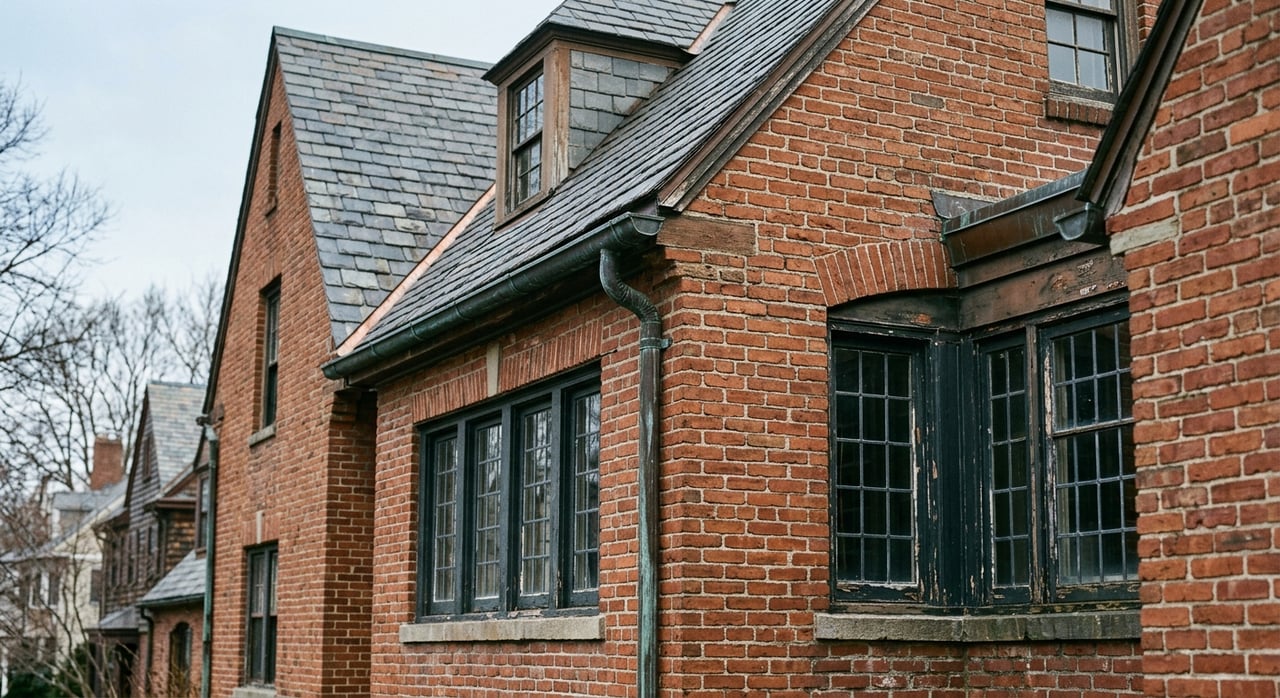
Thinking about buying a historic home in Lambertville? It can be an exciting move, but it comes with a different set of questions than buying a newer property. If you love original details, brick facades, old windows, and a strong sense of place, you also need to understand local review rules, maintenance needs, and flood-related considerations before you make an offer. This guide will help you know what to look for, what to ask, and how to move forward with more confidence. Let’s dive in.
Why Lambertville Historic Homes Stand Out
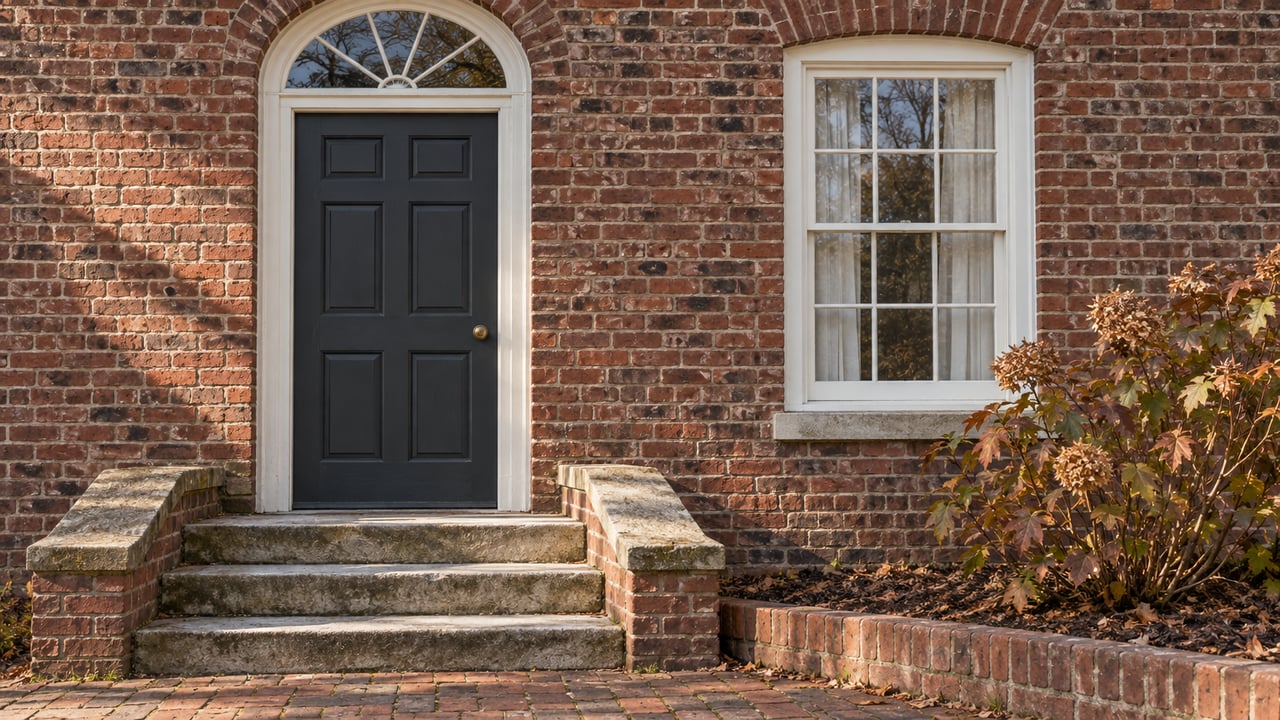
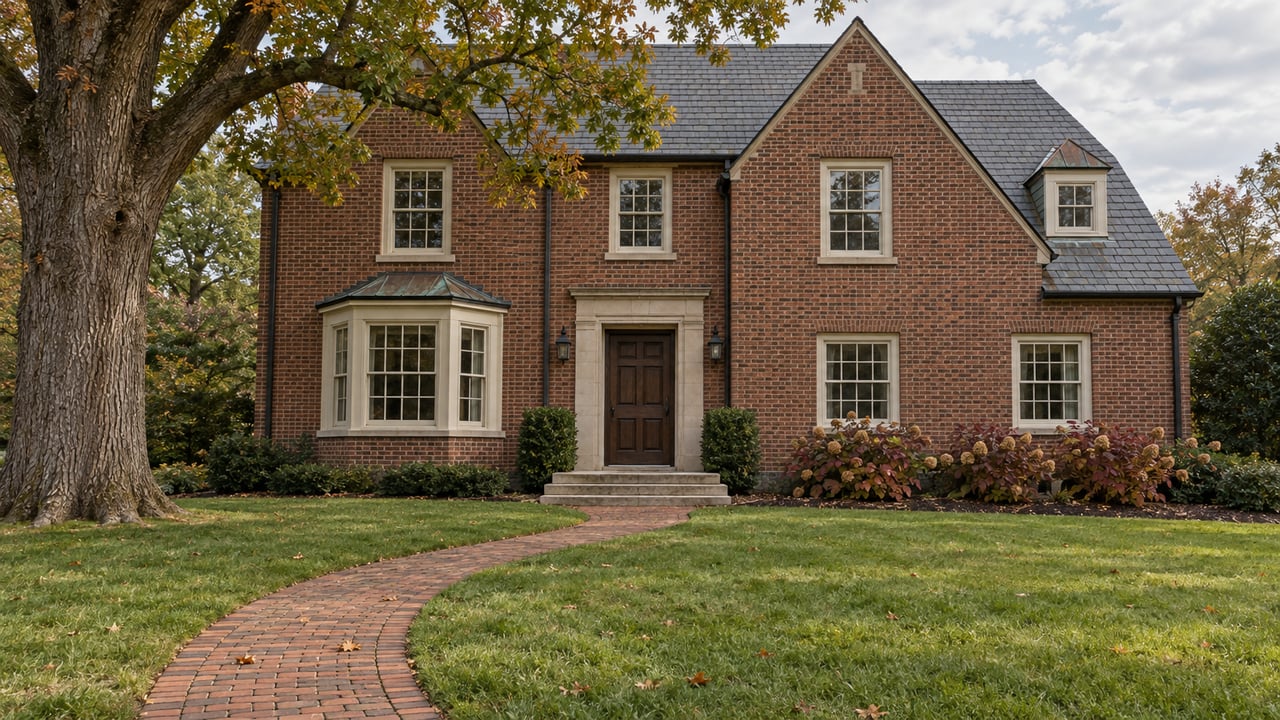
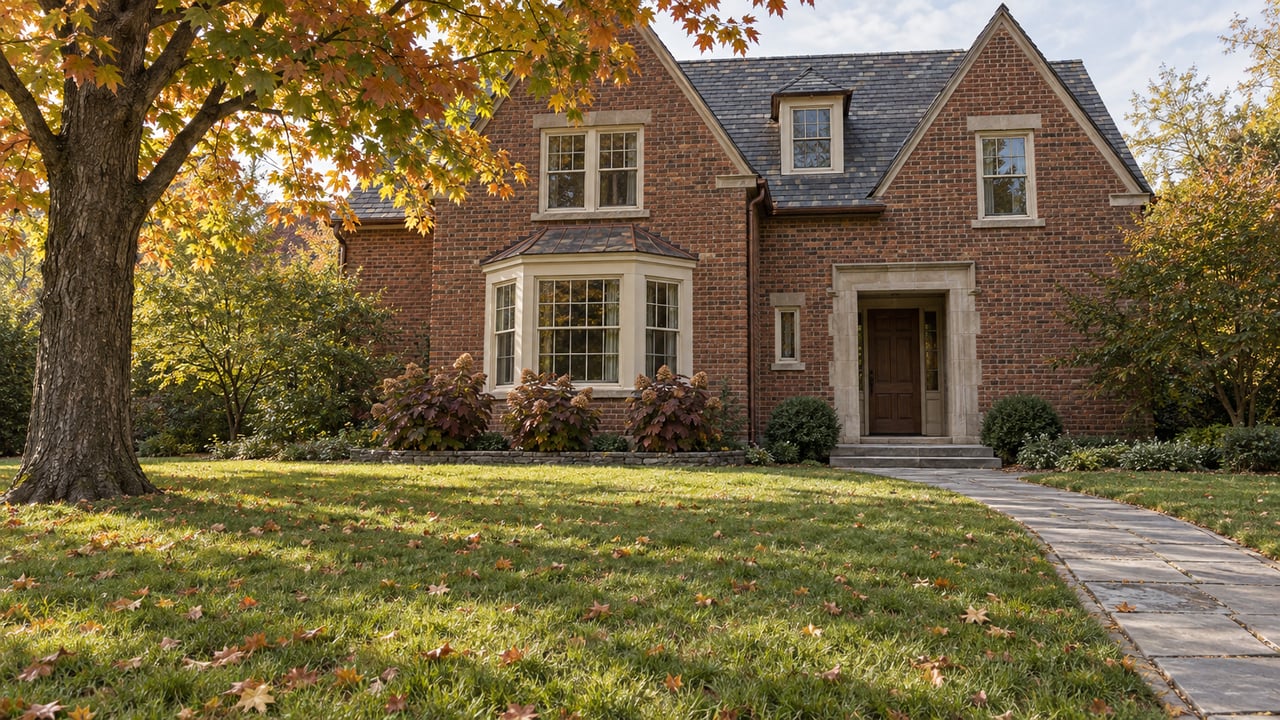
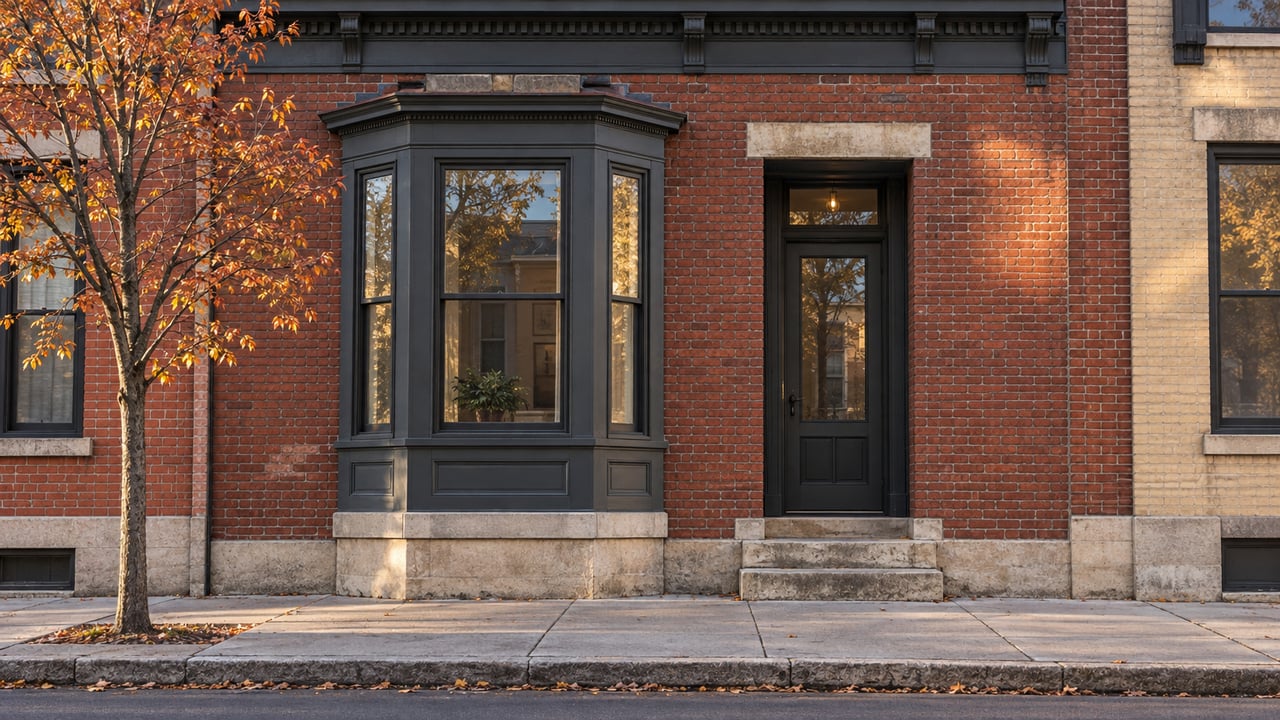
Lambertville’s historic district was listed on the National Register of Historic Places in 1983, with periods of significance from 1800 to 1924 and architectural styles that include Federal and Late Victorian, according to the National Park Service record. The city also notes that many buildings reflect Victorian and Colonial Revival character, with features like arched or segmented windows, cornices, dentils, brackets, and exterior materials such as brick, stucco, and clapboard.
That matters because a home’s historic value is not just about age. In Lambertville, original exterior materials, proportions, and the way a property fits into the streetscape often matter most. Elements like porches, masonry, rooflines, fences, windows, and hardscape details may all be part of what local preservation rules are designed to protect.
Know the Difference Between National and Local Rules
One of the biggest misunderstandings buyers have is assuming that National Register status automatically restricts what they can do to a home. It does not. The National Park Service FAQ and New Jersey preservation guidance make clear that listing on the State or National Register by itself does not restrict a private owner’s changes.
In Lambertville, the bigger issue is local regulation. The city’s historic preservation ordinance requires review for permits and development applications affecting historic landmarks and properties in historic districts.
What Work May Need Review
If you buy a historic home in Lambertville, exterior work may need to go before the Historic Preservation Commission. That review can apply to demolition, relocation, additions, alterations, replacements, new construction, site plans, subdivisions, zoning variances, and even some work involving paint, fences, signs, lighting, paving, trim, shutters, gutters, and streetscape features.
This does not mean every project becomes a major obstacle. It does mean you should understand the approval path before planning visible exterior changes. Lambertville also allows informal concept-plan review before a formal application, which can be helpful if you want to test ideas early.
What Usually Counts as Routine Maintenance
Not every repair triggers review. Lambertville’s ordinance excludes ordinary maintenance and repair from the definition of alterations, including in-kind repair of windows and doors, compatible storm windows, and in-kind roof or siding repair.
That distinction is important when you budget for ownership. If your goal is to maintain what is already there with compatible materials and methods, the process may be more straightforward than if you want to redesign visible exterior elements. Emergency repairs after a storm, flood, or fire can also proceed without prior approval when needed to protect safety and habitability.
Pay Close Attention to Moisture and Water
Moisture is one of the biggest long-term risks in older homes. The National Park Service guidance on moisture problems explains that rain and damp air can enter through missing mortar, cracks around doors and windows, and failures in roofs, gutters, and downspouts.
When you tour a historic home, pay special attention to:
- Roof condition
- Gutters and downspouts
- Signs of interior staining
- Masonry cracks or failed mortar
- Window and door gaps
- Chimney condition
- Overgrown vines or tree limbs close to the house
Water damage is not always obvious from the outside. A house can look charming and still have moisture issues behind walls, under rooflines, or around foundations.
Flood Risk Matters in Lambertville
In Lambertville, flood risk deserves its own category of due diligence. The city says it faces both flash flooding and Delaware River flooding and participates in the National Flood Insurance Program and local flood mitigation framework.
For buyers, there are several practical takeaways:
- Flood insurance may be relevant depending on the property location.
- There is a 30-day waiting period for flood insurance.
- Lambertville is a Class 8 CRS community, which provides a 10% discount for policies in the Special Flood Hazard Area.
- Repairs or improvements that cross the 50% substantial-improvement threshold must bring the building into current floodplain standards.
- Even minor work in flood hazard areas may be evaluated through floodplain permitting.
The city’s design checklist also references flood-plain scale and exposed foundations, which signals that flood-related conditions can affect local review. If a property has a flood history or sits in a flood-prone area, you will want to understand both insurance costs and future renovation limits before you move ahead.
Repair Often Beats Replacement
Many buyers assume old windows, brick, or trim should be replaced right away. In historic homes, that is not always the best path. The National Park Service window guidance says historic windows should be repaired rather than replaced when feasible, and if replacement is necessary, the new windows should closely match the original design, material, color, and texture.
The same principle applies to masonry. Improper repointing can damage brick or stone, so repairs need compatible mortar and skilled workmanship. If you are buying a home with visible masonry wear, chimney issues, or aging wood windows, ask not only what needs work, but how that work should be done.
Plan Mechanical Upgrades Early
Historic homes can absolutely be updated for modern living, but the planning matters. The National Park Service guidance on heating and cooling in historic buildings notes that poorly planned mechanical upgrades can damage historic materials, finishes, and spaces.
If you are thinking about central air, electrical updates, insulation improvements, or system replacements, coordinate those conversations early. You want contractors and inspectors who understand how to work around old-house construction instead of forcing standard solutions into a building that was never designed for them.
Test for Lead and Handle Asbestos Carefully
For homes built before 1978, lead-based paint is a serious consideration. The EPA’s disclosure requirements for home sales state that sellers must disclose known lead information, and buyers receive a 10-day opportunity to inspect or assess for lead hazards before becoming obligated under the contract.
If you plan to renovate, EPA says work that disturbs lead paint should be performed by a Lead-Safe Certified firm using certified renovators and lead-safe practices. That is especially important in homes with older trim, windows, doors, and painted exterior surfaces.
Asbestos requires a similar level of caution. The EPA’s asbestos guidance explains that you cannot identify asbestos by sight alone. If a material may contain asbestos and is damaged or will be disturbed during renovation, it should be sampled by a trained and accredited professional.
Hire the Right Contractors
Not every contractor is the right fit for a historic home. Preservation work often depends on in-kind repairs, material matching, and methods that respect older construction.
The National Park Service repointing guidance highlights the importance of preservation-aware professionals. As a buyer, it is smart to ask contractors for examples of historic masonry, window, roof, or trim work that show they understand repair, not just replacement.
Questions to Ask Before You Write an Offer
A historic home purchase goes more smoothly when you ask targeted questions early. Before you submit an offer, try to get clear answers to the following:
- Is the property in a local historic district or individually designated as a landmark?
- What exterior work has been completed, and are there certificates of appropriateness, permits, or project records?
- Has the property experienced flooding, water intrusion, or flood-insurance claims?
- Have lead hazards been evaluated?
- If prior renovation involved older materials, was asbestos considered or tested when relevant?
- Which exterior features are original, and which are later replacements?
- Who last worked on the masonry, windows, chimney, or roof?
These questions line up directly with Lambertville’s review rules, floodplain framework, and EPA guidance. They can also help you avoid surprises after closing.
How to Buy With Confidence
Buying a historic home in Lambertville is often about balancing charm with diligence. You are not just buying square footage. You are buying materials, craftsmanship, maintenance history, and a property that may sit within a local review framework.
The good news is that with the right questions, inspections, and planning, you can make a smart decision and protect what makes the home special. If you are considering a historic property in Lambertville and want clear guidance through the search, due diligence, and negotiation process, Maria Petrogiannis offers responsive, full-service support designed to help you move forward with confidence.
FAQs
What makes a Lambertville home historically significant?
- In Lambertville, historic significance is often tied to original exterior materials, proportions, architectural details, and how the home contributes to the surrounding streetscape, not just the year it was built.
Does National Register status restrict changes to a Lambertville home?
- No. National Register listing by itself does not restrict what a private owner can do, but local Lambertville historic district and landmark rules may require review for exterior work.
What exterior changes may require Lambertville historic review?
- Review may apply to additions, alterations, replacements, demolition, relocation, new construction, certain paint changes, and some work involving fences, lighting, paving, trim, shutters, gutters, signs, and streetscape features.
What repairs usually do not require Lambertville historic review?
- Ordinary maintenance and in-kind repairs, such as in-kind window or door repair, compatible storm windows, and in-kind roof or siding repair, are generally excluded from review under the ordinance.
Why is flood risk important when buying a Lambertville historic home?
- Lambertville faces both flash flooding and Delaware River flooding, and floodplain rules can affect insurance, permitting, and how future repairs or improvements must be completed.
Should you replace old windows in a Lambertville historic home?
- Not automatically. National Park Service guidance says historic windows should be repaired rather than replaced when feasible, and any replacement should closely match the original.
What lead paint rules apply when buying an older Lambertville house?
- For homes built before 1978, sellers must disclose known lead information, and buyers get a 10-day opportunity to inspect or assess for lead hazards before becoming obligated under the contract.
What should you ask about past work on a Lambertville historic property?
- Ask whether exterior work had required approvals or permits, whether the home has had flooding or water intrusion, whether lead or asbestos issues were evaluated when relevant, and which contractors last worked on key systems or exterior features.