Moving to Newtown can feel simple at first, until you realize you are not just choosing a house. You are also choosing a lifestyle, a maintenance level, and a setting that may feel very different from one street to the next. If you are deciding between a townhome, a classic colonial, or newer construction, this guide will help you narrow your options and focus on what fits your day-to-day life best. Let’s dive in.
Why Newtown Feels Like Two Markets
One of the most important things to understand about Newtown is that it includes both Newtown Borough and Newtown Township, and they do not offer the same housing experience.
Newtown Borough is the older historic core. According to the Borough’s 2022 comprehensive plan update, its housing stock is more mixed in form, with single-family detached homes, attached homes, twins or duplexes, and multifamily properties all part of the local mix. More than half of the Borough’s housing stock was built before 1939, which adds character but can also mean more maintenance and modernization over time.
Newtown Township surrounds the Borough and includes more of the newer neighborhood-style development many buyers picture when they think about suburban living. Local planning documents note that townhouse and multifamily housing are an established part of the Township’s housing mix, especially in higher-density residential areas near Newtown Borough and Newtown Grant.
That difference matters when you start comparing home styles. In Newtown, the right fit often comes down to whether you want character, convenience, or flexibility.
Townhomes in Newtown
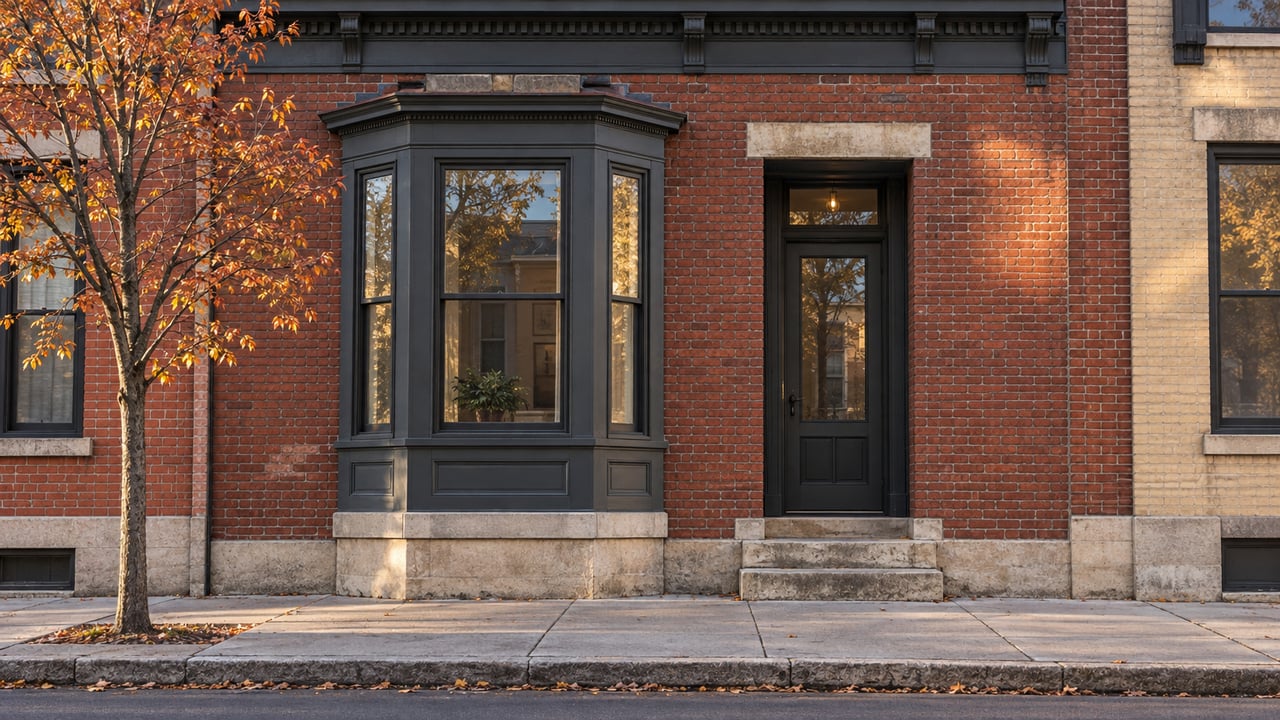
Townhomes are a strong match if you want lower exterior upkeep, a more predictable ownership experience, and a layout that supports a busy schedule.
In Newtown, attached homes are not unusual or fringe inventory. The Borough includes a meaningful share of attached housing, and the joint comprehensive plan points to Newtown Township as a major source of townhouse and other multifamily development. That means buyers looking for this style usually have real options, not just a handful of listings.
Why buyers choose townhomes
Many buyers are drawn to townhomes because they simplify day-to-day ownership. If you want less yard work, less exterior maintenance, and a home that may be easier to lock and leave, this style can make a lot of sense.
Townhomes can also work well if you want flexible space without taking on the full responsibility that often comes with a detached older home. Depending on the community, you may get a practical layout, manageable outdoor space, and neighborhood amenities nearby.
What to ask before you buy a townhome
In Newtown, the key questions go beyond finishes and square footage. You will want to understand exactly how ownership and maintenance responsibilities are divided.
Ask about:
- Roof responsibility
- Siding and gutter maintenance
- Lawn care and snow removal
- Fence rules and approval requirements
- Exterior repair responsibilities
- HOA documents and fees
This is especially important because Newtown Township notes that HOA letters may be required for some fence permits, and townhomes or attached dwellings need a permit for roof replacement. In other words, the HOA packet can be just as important as the showing itself.
Classic Colonials in Newtown
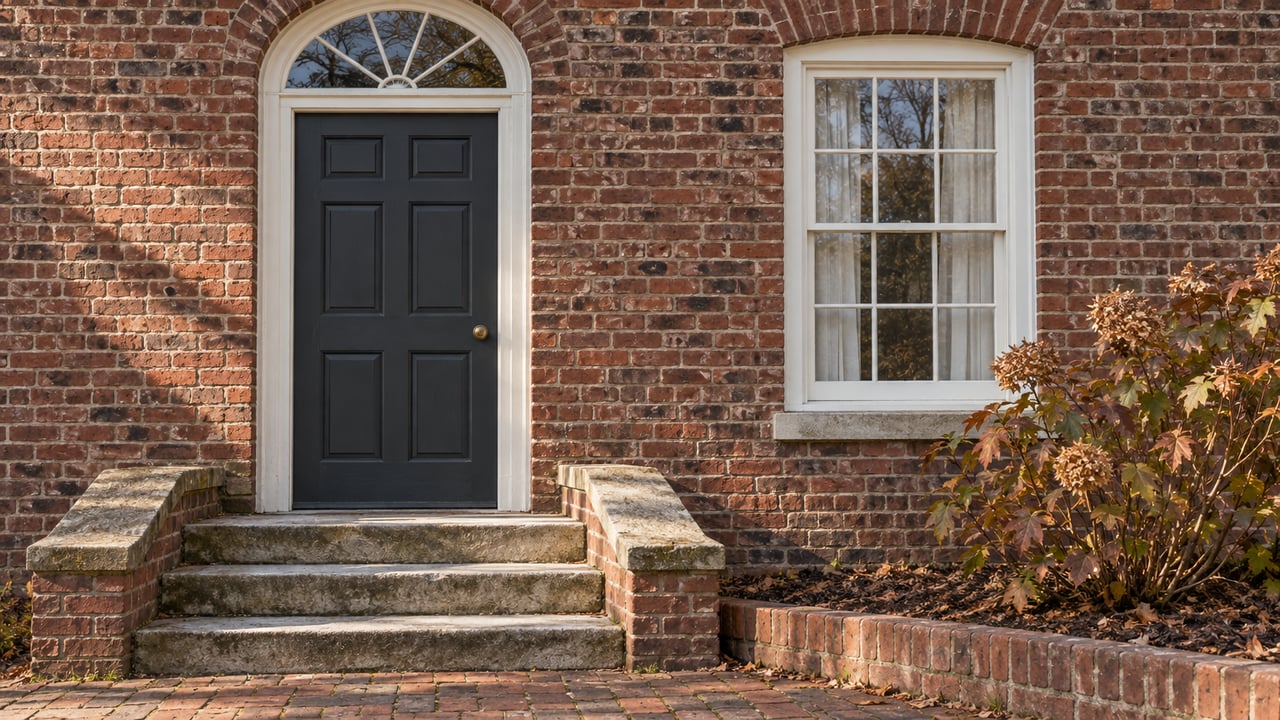
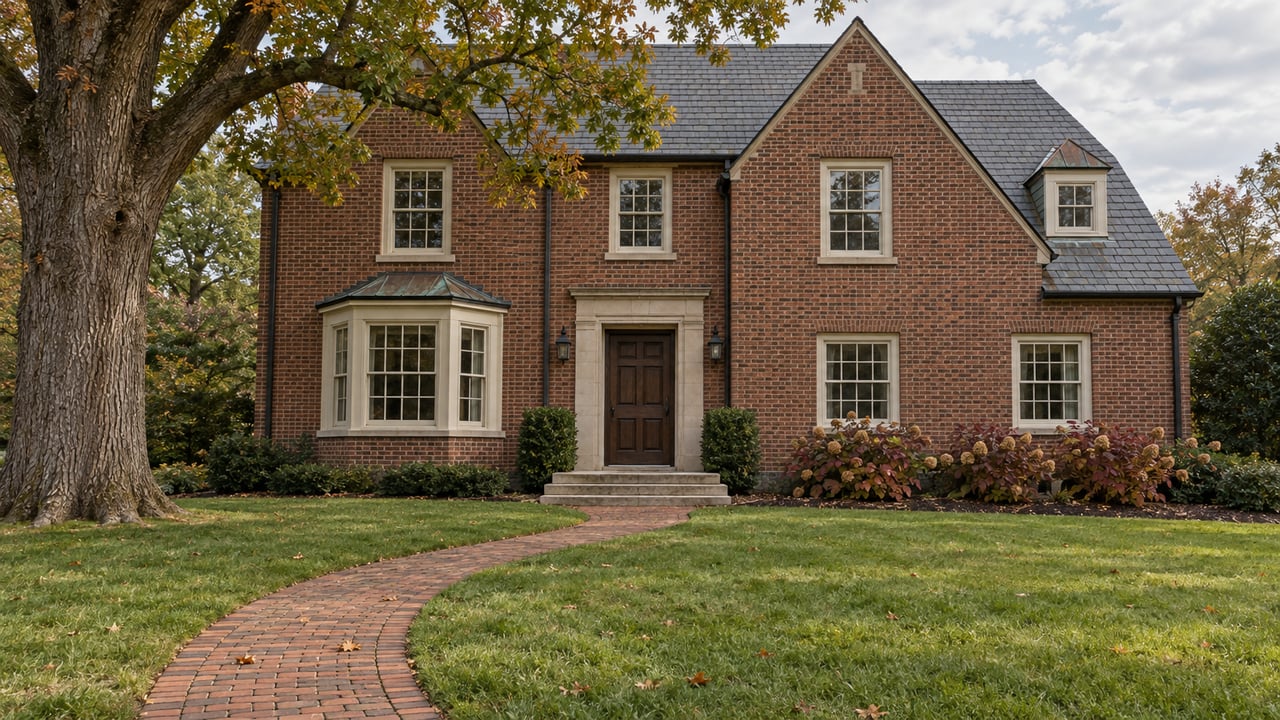
If you are drawn to Newtown for its historic charm, mature streetscapes, and more traditional architecture, a classic colonial may be the home style that feels right.
The Borough’s official history points to colonial residences and taverns as part of its long-standing identity. That history still shows up in the housing stock today. For many buyers, this is the appeal: older homes with personality, established surroundings, and a sense of place that feels distinct from newer planned communities.
Why buyers choose colonials
Classic colonials often appeal to buyers who want space, architectural detail, and a more traditional floor plan. They can also offer the kind of curb appeal and historic character that simply cannot be replicated in newer construction.
If your priority is a home with charm and a strong connection to Newtown’s older core, this style may rise to the top of your list. It can be especially appealing if you value original features or prefer a neighborhood with a long-established look and feel.
What to watch with older homes
Character is a real benefit, but it should be balanced with practical questions. The Borough’s housing plan specifically notes that older homes often come with higher maintenance and modernization costs.
During showings, ask about:
- Roof age and condition
- Window age and efficiency
- HVAC system age
- Water heater age
- Insulation levels
- Foundation condition
- Any history of water intrusion
If the home is in the historic district, also ask whether there is an exterior review process for certain updates. The Borough notes that its historic district is governed by an ordinance with administrative and regulatory procedures, so that is something you will want to understand early.
Newer Construction in Newtown
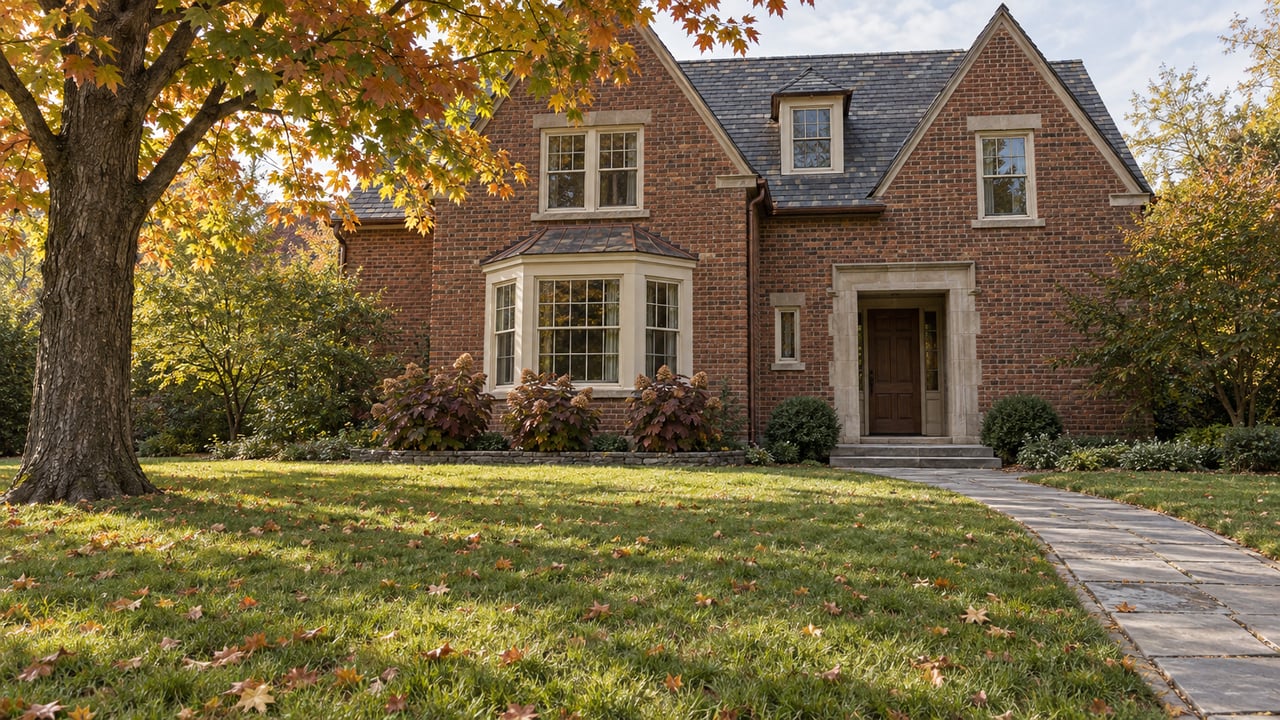
If you want a home that feels move-in ready, easier to maintain, and better aligned with modern preferences, newer construction may be the best fit for your move.
In Newtown, this style is more closely tied to Township growth areas than to the Borough’s historic center. Township planning and history materials describe development that includes open space, trails, vistas, and community amenities, which helps explain why many buyers looking for a more current neighborhood setup focus their search there.
Why buyers choose newer homes
Newer homes often appeal to buyers who want a cleaner ownership experience. You may get a more open layout, newer systems, and less immediate need for repairs or upgrades.
This style can also work well if long-term flexibility is important to you. A spare bedroom may function as an office, guest room, or future household space, and newer layouts often make it easier to adapt the home as your needs change.
What to ask before buying new construction
Even if a home is brand new, you still need to ask the right questions. In Newtown Township, a residential use and occupancy is required for new construction, so that should be part of your due diligence.
You should also ask:
- What exterior work requires permits later on
- Whether fences, decks, patios, sheds, or walkways need approval
- How open space is handled in the community
- What future maintenance falls to the owner
These details matter more than many buyers expect. A new home may feel simple on day one, but the rules tied to the property can shape your experience for years.
How Outdoor Space Fits Your Decision
Outdoor space means different things depending on the home style you choose. That is why it helps to think beyond the listing photos and ask how you would actually use the space.
For a colonial, you may be comparing yard depth, privacy, drainage, and whether there is room for a deck, patio, or play area. For a townhome, the better question may be whether the smaller private outdoor area is offset by a lower-maintenance lifestyle.
Newtown Township’s park system is part of this conversation. The Township says it maintains more than 300 acres of parks and open space, and the Newtown Trail is a 3.7-mile connector linking Tyler State Park with Silver Lake Park while passing through the Borough. If private yard size is limited, nearby outdoor access may help balance that tradeoff.
How to Prioritize Must-Haves
When buyers get stuck, it is usually because they are mixing up fixed features with cosmetic ones. A better approach is to separate what you can change from what you cannot.
Hard-to-change features
These should drive your decision first:
- Borough versus Township location
- Lot size
- Bedroom count
- Parking
- HOA involvement
- Historic district location
- Attached versus detached home style
Easier-to-change features
These matter too, but they should not carry the same weight:
- Paint colors
- Light fixtures
- Hardware and finishes
- Some landscaping details
This matters in Newtown because the Borough and Township differ in age, housing mix, and median home values. Bucks County planning data using 2020 ACS figures reports median owner-occupied home values of about $566,400 in Newtown Borough, $434,700 in Newtown Township, and $340,500 countywide. That does not tell you what any individual home is worth, but it does show that where and how you buy in Newtown can shape your budget in a meaningful way.
Matching Your Home Style to Your Lifestyle
The best home style is rarely about what looks best online. It is about which option supports the way you actually live.
If you want convenience and lower exterior responsibility, a townhome may be the right choice. If you want historic character and a more traditional home feel, a classic colonial may fit better. If you want a more streamlined ownership experience with modern layout preferences, newer construction may be the strongest match.
The good news is that Newtown is not a one-style market. You are not choosing between a good option and a bad one. You are choosing between different strengths, and the right answer depends on how much maintenance you want to own, how important outdoor space is to you, and how much flexibility you may need over time.
If you are planning a move to Newtown and want a clear, personalized strategy for comparing home styles, Maria Petrogiannis can help you narrow your search and move forward with confidence.
FAQs
What home styles are most common in Newtown, PA?
- Newtown includes a mix of home styles, especially across Newtown Borough and Newtown Township. The Borough has detached homes, attached homes, twins or duplexes, and multifamily properties, while the Township includes more townhouse and newer neighborhood-style development.
Are older homes in Newtown Borough more expensive to maintain?
- They can be. The Borough’s comprehensive plan update notes that older homes often require more costly maintenance and modernization, so buyers should ask detailed questions about major systems and past repairs.
What should buyers ask about a Newtown townhome?
- Buyers should ask who is responsible for the roof, siding, gutters, lawn care, snow removal, and exterior repairs, along with what the HOA rules and approval processes cover.
Is newer construction more common in Newtown Township?
- Yes. Local planning materials tie newer development more closely to Township growth areas than to the Borough’s historic core.
What outdoor space questions matter when buying in Newtown?
- Ask about yard size, privacy, drainage, fencing rules, and whether future upgrades like patios, decks, sheds, or walkways will require permits or approvals.
How do buyers choose between a colonial, townhome, and newer home in Newtown?
- A helpful way to decide is to focus on your priorities first. Colonials often offer character and traditional style, townhomes often offer convenience and lower exterior upkeep, and newer homes often offer modern layouts and a more predictable ownership experience.