If you are trying to choose between Moorestown’s older streets and its newer housing areas, you are not alone. This is one of the biggest lifestyle decisions buyers make in town, and it can shape how you feel about your home long after closing day. The good news is that Moorestown offers both historic character and more conventional suburban living, so you can focus on the setting that fits your goals best. Let’s dive in.
Moorestown Has Two Distinct Feels
Moorestown is a 15.1-square-mile Burlington County township founded in 1682 and incorporated in 1922. The township’s 2025 population estimate was 22,262, and it sits about 10 miles east of Philadelphia. Recent township data also shows a high-value housing market, with an owner-occupied rate of 81.3%, a median owner-occupied home value of $697,200, and a median household income of $159,700.
What makes Moorestown especially interesting is its mix of housing eras. The town includes a historic core with older homes and buildings, but it also has many later-built properties that offer a more typical suburban feel. That blend gives you real choices, not just in price or size, but in how you want to live day to day.
Historic Moorestown Feels More Layered
The historic side of Moorestown is closely tied to downtown Main Street. The township describes Main Street as tree-lined and home to banks, businesses, restaurants, cultural venues, houses of worship, homes, and buildings of historic value, along with the renovated Moorestown Community House. It is also a year-round event hub, with parades, arts programming, and business events that keep downtown active.
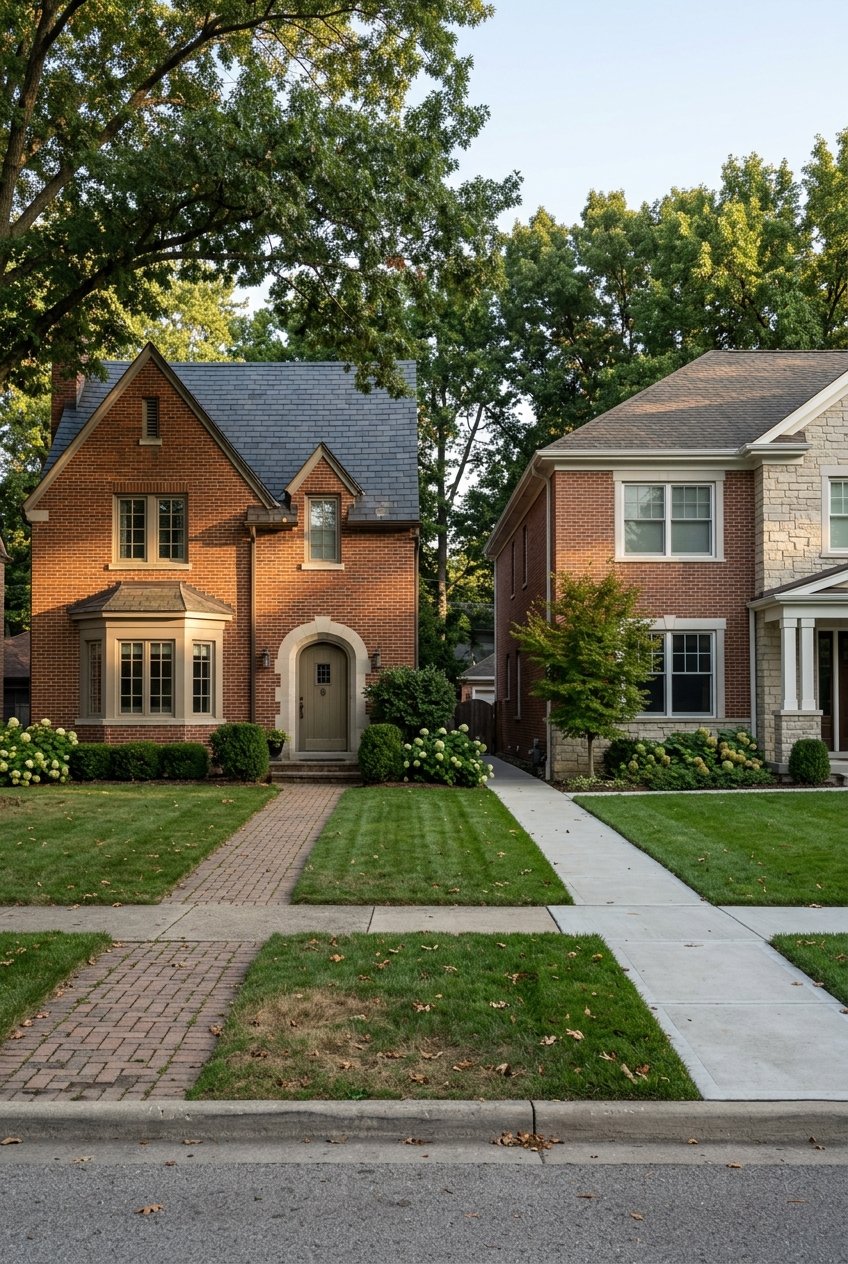
If you are drawn to older neighborhoods, this area often stands out because it feels less uniform. Instead of repeated floor plans and similar facades, you are more likely to notice architectural variety, mature streetscapes, and homes that differ from block to block. For many buyers, that sense of character is a major part of the appeal.
What Gives Historic Areas Their Identity
Moorestown now has a formal preservation framework in place. The township adopted Ordinance 06-2025, established a Historic Preservation Commission, and designated a Historic District. Preservation materials describe the historic core as having older commercial and residential fabric, including mid-19th-century houses adapted for commercial use, 1920s banks, and landmark churches.
The township has also designated seven individual Historic Sites, including the Truxtun House, which dates to about 1770. That means historic Moorestown is not just old in a general sense. It has specific places, structures, and design patterns that the township recognizes as part of its identity.
What Buyers Often Notice First
When you tour homes in older parts of Moorestown, three things often stand out right away:
- More distinctive architecture and stronger block-to-block variety
- Better walkability to Main Street amenities and events
- Greater attention to renovation scope and exterior appearance
These are not small differences. They can influence everything from your weekend routine to your renovation plans.
Historic Homes Can Require More Review
One of the biggest practical differences between older and newer parts of Moorestown is how exterior changes may be handled. The township’s draft design guidelines for historic areas emphasize compatibility in height, massing, scale, setbacks, materials, and facade rhythm. In simple terms, that means exterior work in historic settings may need more careful planning.
If you like the idea of updating a home over time, this is important to understand early. A historic-area property may offer charm and location, but it can also come with more sensitivity around visible changes. For some buyers, that is a worthwhile tradeoff. For others, a later-built home may feel easier to manage.
Newer Moorestown Offers A Different Kind Of Convenience
Moorestown is not only a historic-home market. The township’s 2023 housing profile shows that 13.5% of housing units were built in 2000 to 2009, 3.4% were built in 2010 to 2019, and 0.7% were built in 2020 or later. At the same time, 23.8% of units were built in 1939 or earlier, which helps explain why the town has such a noticeable old-versus-new contrast.
The same housing profile says the median year built in Moorestown is 1969. Another township housing summary states that 75.3% of the housing stock is single-family detached. Taken together, those numbers show a town with a broad mix of homes, where later-built neighborhoods play a meaningful role in the market.
What Newer Areas Tend To Feel Like
Based on the housing age mix, the later-built parts of Moorestown are generally the areas most likely to feel more conventional and suburban, with newer housing on average and less preservation friction. This is an interpretation of township age data and preservation rules, not a formal township neighborhood label. Still, it is a useful way to think about the experience of shopping in different parts of town.
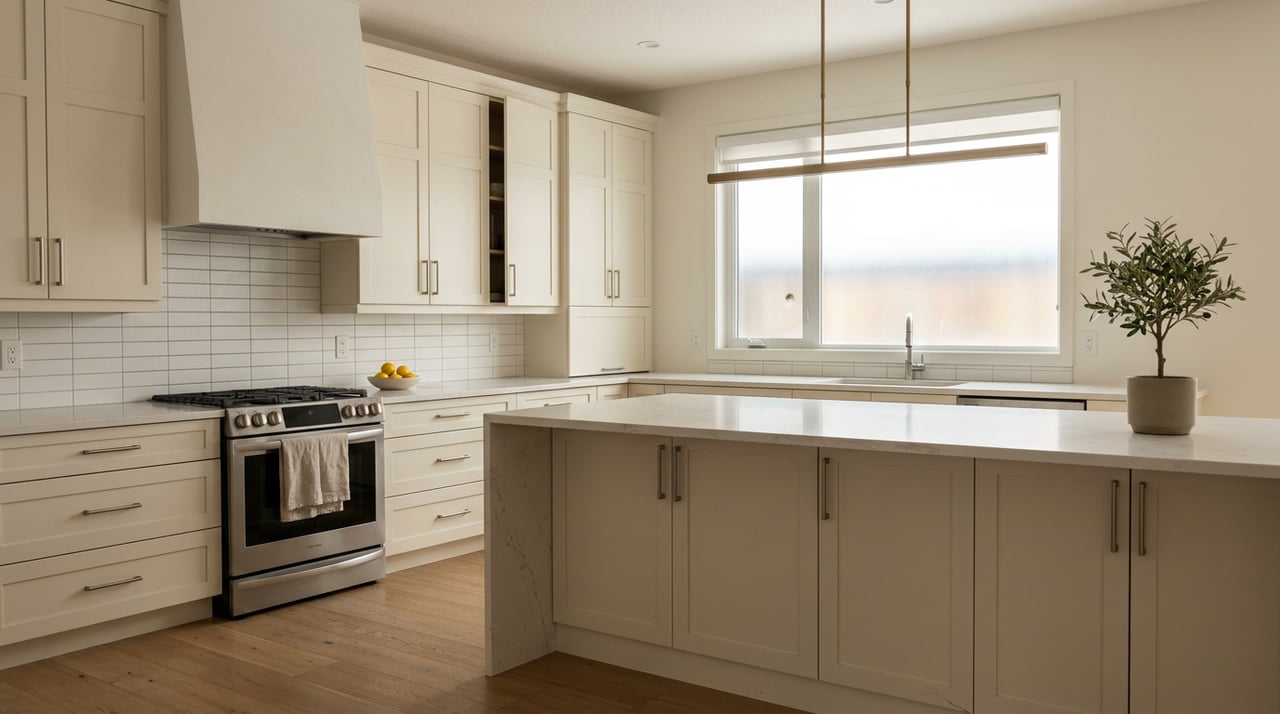
In these areas, buyers often focus less on architectural pedigree and more on day-to-day function. A newer home may appeal to you if your top priorities are layout, flow, storage, or a setting that feels more straightforward from a maintenance and renovation standpoint.
What Buyers Usually Compare In Newer Areas
When looking at later-built housing stock, buyers often zero in on practical questions like these:
- How old is the home, and what might that mean for maintenance?
- Does the floor plan fit your daily routine?
- How close is the property to major roads and everyday retail?
This tends to create a different search mindset. In the historic core, you may be weighing charm and walkability. In later-built areas, you may be comparing function, convenience, and ease of ownership.
Lifestyle Can Matter More Than Age
The choice between historic and newer Moorestown is not only about architecture. It is also about how you want your daily life to feel. Two homes at a similar price point can offer very different routines depending on where they sit in town and how they connect to parks, shopping, and major roads.
Moorestown’s lifestyle appeal extends beyond downtown. The township highlights Strawbridge Lake Park, a 70-acre park created during the WPA era, where residents can fish, kayak, canoe, walk, run, and bike. The township also points to Swede Run Fields as a major open-space area with a dog park and natural features.
For many buyers, access to these amenities can narrow the decision quickly. If you picture yourself walking to Main Street events, the historic core may pull you in. If you care more about quick road access and a more suburban setup, later-built areas may make more sense.
Access And Everyday Convenience In Moorestown
Moorestown’s business and economic development materials emphasize strong regional access. The township has easy access to Interstate 295, the New Jersey Turnpike, and Routes 38, 73, and 130. It also identifies Lenola on the west side, the Route 38 corridor, and the historic Main Street district as distinct retail areas.
That matters because your home search is really a lifestyle search. Some buyers want to be closer to the energy of Main Street and nearby cultural anchors like the Perkins Center for the Arts, the Moorestown Theater Company, and the Moorestown Community House. Others want a location that makes errands and commuting feel simpler.
Schools Are A Townwide Factor
Moorestown Township Public Schools serves the entire township. That means school access is a townwide consideration rather than a neighborhood-specific separator. In practical terms, many buyers find that their real decision comes down to housing style, setting, walkability, and renovation comfort rather than school boundary differences within Moorestown.
This can actually simplify your search. Instead of trying to compare one section of town against another based on district access, you can focus more clearly on the home and neighborhood feel that fits your priorities.
How To Choose The Right Fit
If you are deciding between historic and newer Moorestown, it helps to think in terms of tradeoffs rather than winners and losers. Neither option is better across the board. The right choice depends on what you want your everyday experience to look like.
Historic Moorestown may be the better fit if you want:
- Older streets and mature surroundings
- Strong architectural character
- Proximity to Main Street amenities and events
- A setting where preservation standards shape exterior changes
Later-built Moorestown may be the better fit if you want:
- A more standard suburban feel
- A home that is newer on average
- Greater focus on floor plan and function
- Less concern about preservation-related exterior review
What Sellers Should Keep In Mind
If you are selling in Moorestown, this same historic-versus-newer distinction can shape how your home is positioned. Buyers looking in historic areas often respond to character, streetscape, and Main Street access. Buyers looking in later-built sections may respond more strongly to layout, upkeep, and convenience.
That is why thoughtful marketing matters. Clear positioning helps buyers understand not just what your house is, but why its location and era may suit their lifestyle. In a town with such a varied housing mix, that story can make a real difference.
The Bottom Line On Moorestown Neighborhoods
In Moorestown, the most useful comparison is rarely just old versus new. It is how each home’s era affects walkability, renovation flexibility, and your access to parks, retail, and major roads. Once you look at the decision through that lens, the choice often becomes much clearer.
If you want help sorting through Moorestown’s historic and newer housing options, Maria Petrogiannis offers the kind of responsive, high-touch guidance that helps you compare not just homes, but the lifestyle behind each one.
FAQs
What defines historic neighborhoods in Moorestown?
- Historic areas in Moorestown are tied to the older downtown core, where you will find more architectural variety, mature streetscapes, Main Street walkability, and a preservation framework that can affect exterior changes.
What defines newer neighborhoods in Moorestown?
- Newer areas in Moorestown generally refer to later-built housing stock that tends to feel more conventional and suburban, with buyers often focusing on floor plan, maintenance, and road access.
Is Moorestown mostly historic homes or newer homes?
- Moorestown has a mix of both. Township housing data shows 23.8% of units were built in 1939 or earlier, while a meaningful share was built in later decades, and the median year built is 1969.
Do historic homes in Moorestown have different renovation considerations?
- Yes. In historic areas, the township’s preservation approach places more emphasis on compatibility in features like scale, setbacks, materials, and facade rhythm, so exterior changes may require more careful review.
Are schools a major difference between Moorestown neighborhoods?
- No. Moorestown Township Public Schools serves the entire township, so many buyers focus more on neighborhood feel, housing style, and convenience than on school boundary differences.
What lifestyle factors should buyers compare in Moorestown?
- Buyers should compare walkability to Main Street, access to parks like Strawbridge Lake Park and Swede Run Fields, proximity to retail areas, and convenience to major roads such as I-295, the New Jersey Turnpike, and Routes 38, 73, and 130.