If you want Princeton’s shops, transit, and daily essentials within easier reach, you do not always need to live right in the middle of downtown. Princeton offers several housing patterns that can support a car-light lifestyle, from compact homes near the core to multi-family communities with bus access and newer planning areas built around walkability. If you are trying to balance convenience, space, and long-term fit, this guide will help you sort through the options. Let’s dive in.
Why Princeton Works for Car-Light Living
Princeton has a transportation network that makes living with fewer car trips more realistic than many suburban towns. The town says the Princeton Loop is a free municipal bus serving housing locations, downtown Princeton, and the Princeton Shopping Center. Princeton Station also connects to Princeton Junction on the Dinky, while NJ TRANSIT bus 605 serves downtown, north and east neighborhoods, and the shopping center.
There are also local mobility options beyond standard bus service. Princeton University’s TigerTransit is free and open to the public, which adds another layer of access for getting around town. Princeton also reports that nearly 15% of working residents walk to work, which gives you a sense of how daily life can function here without depending on a car for every trip.
Just as important, Princeton’s 2023 Mobility Plan places walking, biking, transit, and other lower-emission modes ahead of single-occupancy vehicles in its mobility hierarchy. That does not mean every address feels equally convenient, but it does show a clear local planning direction. If you are choosing a home with lifestyle in mind, that policy backdrop matters.
Housing Near Downtown Princeton
If your goal is maximum walkability, the strongest options are generally closest to the downtown core. Princeton’s Land Use Plan identifies the downtown business district and Princeton Shopping Center as mixed-use nodes where residential and non-residential uses come together. In practical terms, that means you are more likely to find homes near errands, dining, services, and transit.
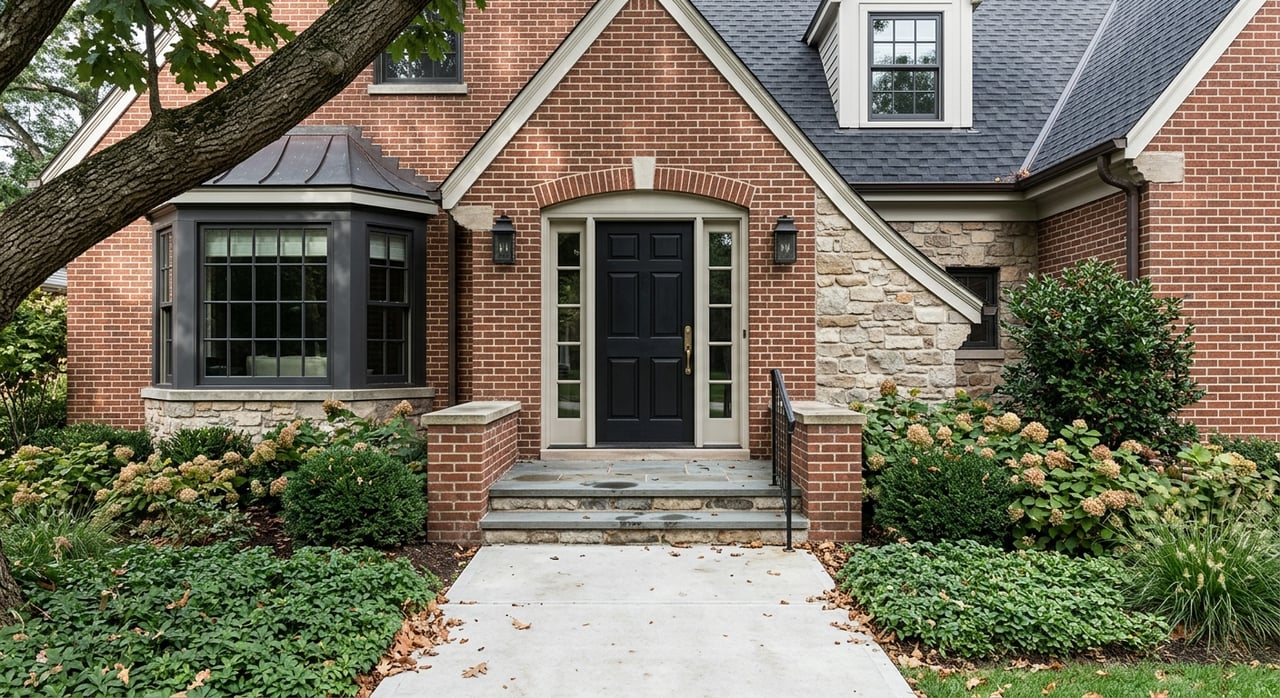
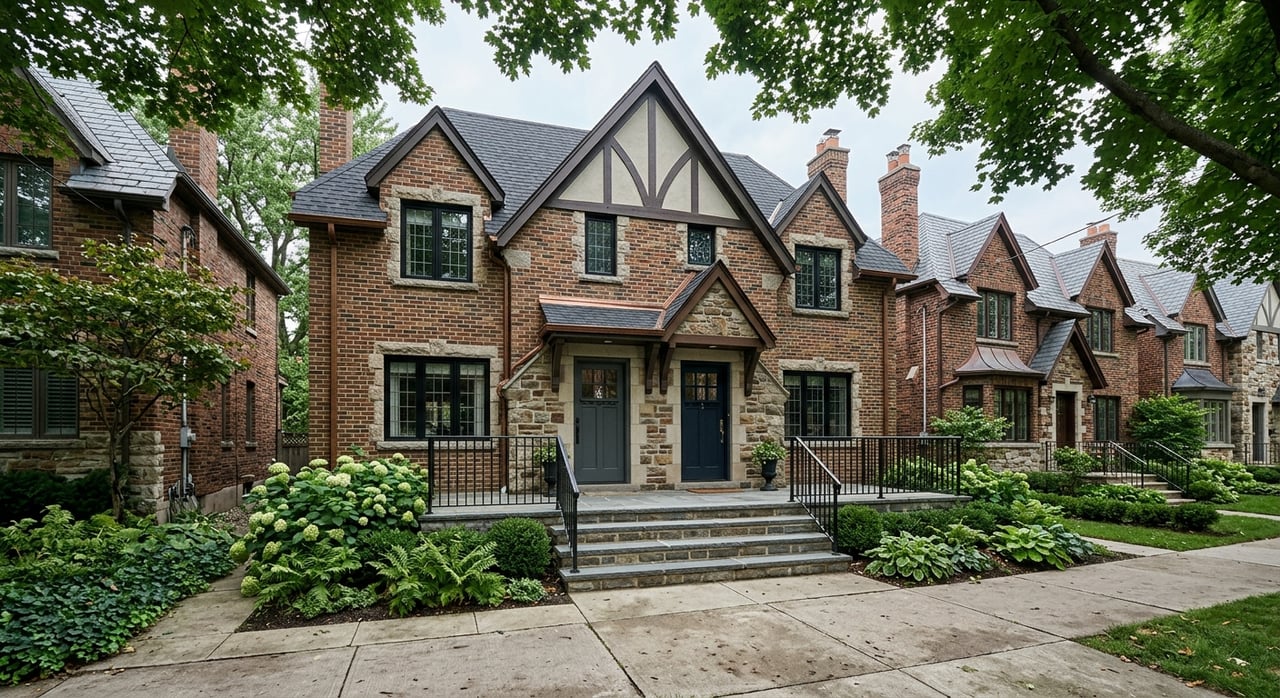
The same plan describes Central Neighborhood areas as appropriate for infill and transit-oriented redevelopment. Housing types in these areas can include single-family homes on small lots, two-family homes, townhouses, and multi-family housing at about 4 to 20 units per acre. For you as a buyer, that creates a wider mix of home styles than you may expect in a town known for traditional detached homes.
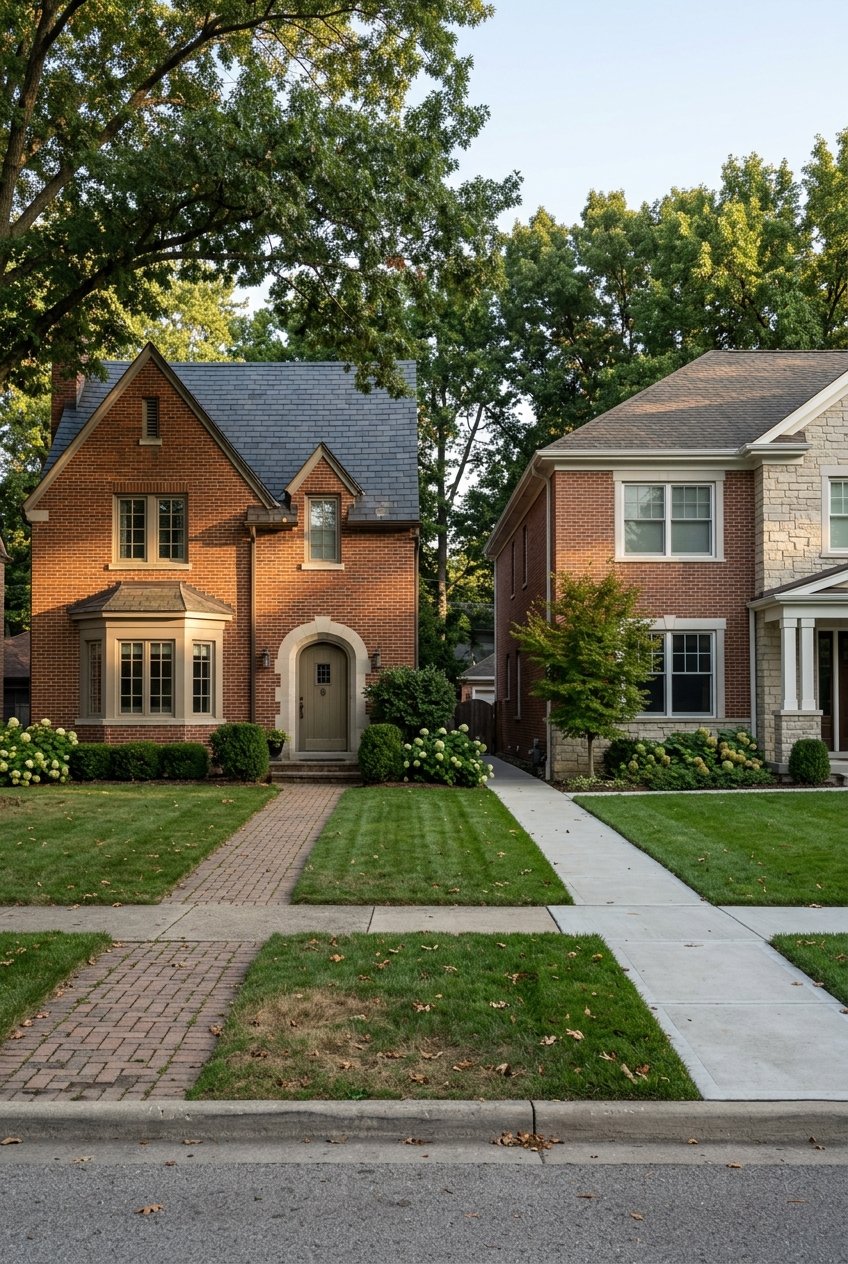
Official neighborhood descriptions help paint a more detailed picture of the housing stock. Witherspoon Street includes a mix of residential and commercial buildings, while John Street is known for 2- and 2.5-story houses on small lots. Clay Street includes Hegeman Homes, a 50-unit garden-style apartment complex, and Birch Avenue is described as mostly single-family homes on small lots with sidewalks and front lawns.
This part of Princeton can be a strong fit if you want to walk to more of your routine. The tradeoff is usually lot size, privacy, or parking. In some core-area projects, Princeton has supported shared parking approaches rather than on-site private parking, which reflects the town’s effort to make central housing work with less car dependence.
What to Expect in the Core
Living close to Nassau Street, Witherspoon Street, or Palmer Square often means easier access to daily amenities. It can also mean a more compact home footprint and a busier setting than you would find farther out. If your priority is being able to step out your door and get to shops, restaurants, or transit with less planning, this is often where your search starts.
Older homes in the core can also come with extra considerations. Princeton’s Office of Historic Preservation reviews changes in locally designated historic districts to help ensure compatibility with surrounding buildings and streetscapes. If you are drawn to older architecture, that can be a benefit for long-term character, but it is smart to understand the review framework before planning major exterior changes.
Housing Just Outside the Core
You do not need to live in the center of town to stay relatively car-light. Princeton’s Land Use Plan distinguishes the more compact Central Neighborhood areas from larger-lot Neighborhood areas, which are established neighborhoods with lower density of roughly two to eight units per acre. That difference matters because it often affects how easy it is to walk to errands or rely on transit.
For many buyers, the sweet spot is just outside downtown. You may gain a little more space or a quieter residential setting while still staying connected to the core by the Princeton Loop or NJ TRANSIT bus 605. This can be especially appealing if you want some walkability and transit access without feeling fully urban.
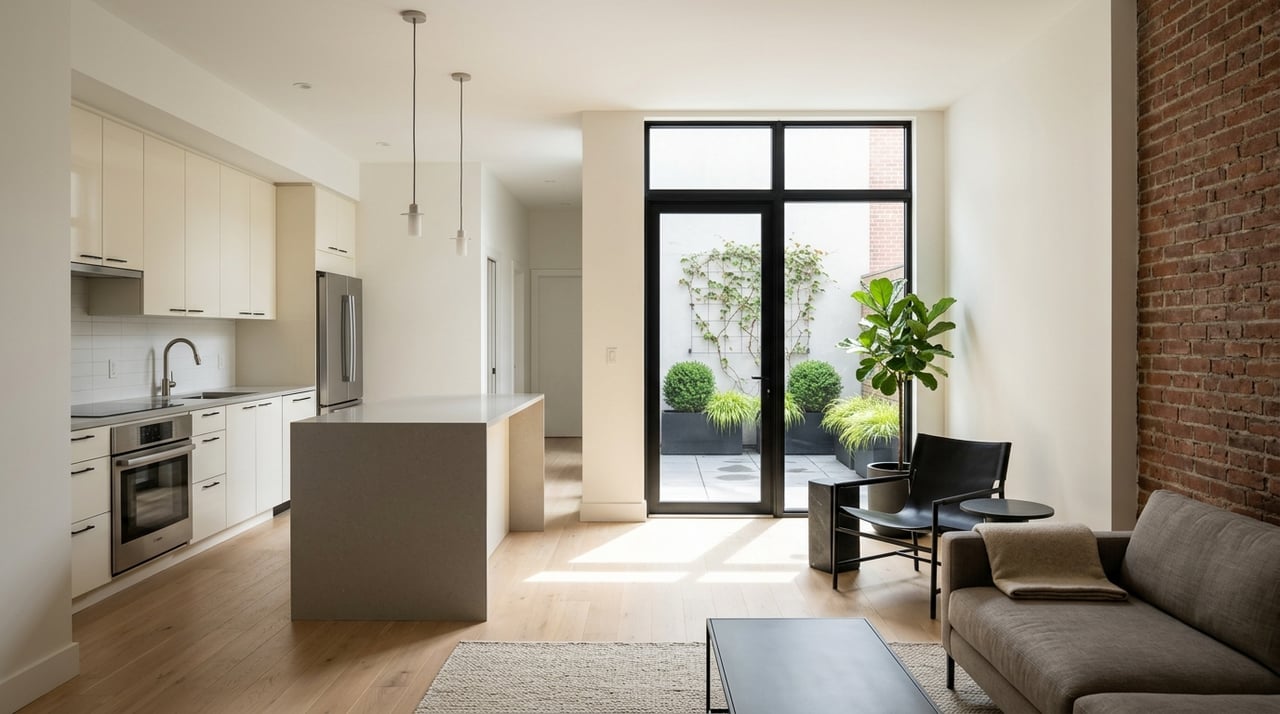
Princeton also identifies several Multi-Family Neighborhood areas, including Griggs Farm, Copperwood, Princeton Community Village, Governors Lane, Merwick Stanworth, Washington Oaks, and Thanet Circle. In the town’s planning framework, these are planned developments that can include small-lot single-family homes, townhouses, and apartment buildings. That gives you more variety if you want lower-maintenance living or a community format that still connects back to town.
Princeton’s affordable-housing administration also lists rental communities such as Princeton Community Village, Griggs Farm Rentals, Palmer Square, Merwick Stanworth, Copperwood, and Thanet Rd - Princeton Senior Living. Even if your search is broader than those specific communities, they are useful examples of the kinds of housing formats available outside the most walkable downtown blocks.
Best Fit for Balanced Living
If you are trying to balance convenience and space, transit-served neighborhoods and multi-family communities can be a practical middle ground. You may still use a car sometimes, but you can often reduce how often you need it. That can make day-to-day life simpler without giving up on square footage or a more residential feel.
This category is also worth a close look if you are relocating from a city and want a gentler transition into suburban living. Instead of jumping straight to a larger-lot area, you can choose a home base that keeps downtown Princeton within easier reach. That often helps preserve the lifestyle benefits that made Princeton appealing in the first place.
Newer Housing Trends to Watch
Princeton’s planning documents suggest that car-light housing options may continue to expand in targeted areas. The 2023 Master Plan says the municipality has implemented affordable-housing overlay zones and permitted accessory dwelling units in already-built locations that can support additional density. It also notes that Princeton has a shortage of smaller homes relative to larger ones.
That point matters if you are looking for a more compact property, downsizing, or prioritizing location over square footage. A town that recognizes its shortage of smaller homes is also signaling where future housing discussions may head. For buyers, that can shape expectations about what is available today and what may be added over time.
The same Master Plan says future growth should be concentrated around the Princeton Shopping Center and Thanet Circle. These are useful areas to watch if you care about convenience, access, and housing formats that support fewer car trips. Growth in those locations aligns with Princeton’s broader mobility goals.
Another notable example is the Princeton Theological Seminary redevelopment plan. It calls for higher-density development close to downtown and transit, a new opportunity for multi-family housing within walking distance of downtown and the Princeton University campus, and a more pedestrian-friendly streetscape. If you are thinking long term, these planning moves show Princeton’s continued interest in placing more housing near jobs, services, and transportation options.
Open Space Still Supports the Lifestyle
Car-light living is not only about errands and commuting. It is also about whether you can enjoy your surroundings without always getting in the car. Princeton says more than 25% of its land area is designated as open space, and it promotes access to parks and preserves by foot and bike.
That gives Princeton an advantage for buyers who want both convenience and outdoor access. The D&R Canal State Park can be reached from downtown by foot or bike, and Princeton Battlefield State Park can also be reached from the center of town by foot or bike. For many people, that makes a car-light routine feel more enjoyable and sustainable.
Tradeoffs to Keep in Mind
Not every part of Princeton offers the same level of convenience. As you move farther from the downtown mixed-use areas and central neighborhoods, the housing stock generally shifts toward larger lots and lower densities. That usually means more reliance on bikes, shuttles, or a car for everyday errands.
Princeton’s plan also describes Greenway Neighborhood areas as constrained by streams, wetlands, steep slopes, and road access. That does not make them less appealing, but it does mean the day-to-day experience can be different from a more connected in-town location. If you are serious about car-light living, the address matters as much as the home itself.
A practical shortlist often looks like this:
- Maximum walkability: Nassau Street, Witherspoon Street, and Palmer Square
- Balanced option: Central neighborhoods and transit-served multi-family communities
- More space: Larger-lot Neighborhood areas where access may rely more on a bike, shuttle, or car
How to Choose the Right Princeton Housing Option
The best choice depends on what “car-light” means to you. If you want to walk to coffee, groceries, and dinner several times a week, focus on the core and nearby central neighborhoods. If you are comfortable using a bus for some trips and driving occasionally, neighborhoods just outside downtown may give you a better balance.
It also helps to think about your routine, not just your wish list. Ask yourself where you need to go most often, how much parking matters, and whether you would trade a larger lot for easier daily access. Those answers can narrow your search quickly.
If you are planning a move to Princeton, a neighborhood-first approach often works best. Instead of starting only with home size or style, start with the lifestyle you want to live each week. That usually leads to a smarter decision and a better long-term fit.
If you want help comparing Princeton neighborhoods, housing types, and lifestyle tradeoffs, Maria Petrogiannis can guide you with thoughtful local insight and a responsive, client-first approach.
FAQs
What areas in Princeton are best for car-light living?
- The strongest options for car-light living are generally near Nassau Street, Witherspoon Street, and Palmer Square, with central neighborhoods and transit-served communities offering a balanced alternative.
What transit options support car-light living in Princeton?
- Princeton’s car-light network includes the free Princeton Loop, Princeton Station and the Dinky connection to Princeton Junction, NJ TRANSIT bus 605, and TigerTransit, which is free and open to the public.
What housing types support walkable living in Princeton?
- Princeton’s central areas can include small-lot single-family homes, two-family homes, townhouses, and multi-family housing, while planned multi-family neighborhoods may offer townhouses, apartments, and small-lot homes.
What should buyers know about older homes in downtown Princeton?
- Buyers looking at older core homes should know that changes in locally designated historic districts may be reviewed by Princeton’s Office of Historic Preservation for compatibility with surrounding buildings and streetscapes.
Are there car-light housing options outside downtown Princeton?
- Yes, several neighborhoods and planned communities outside the core are connected to downtown by the Princeton Loop or NJ TRANSIT bus 605, which can support a less car-dependent lifestyle.
How does Princeton’s planning support car-light housing?
- Princeton’s planning documents prioritize walking, biking, and transit, support additional housing in already-built areas, and direct future growth toward places like the Princeton Shopping Center, Thanet Circle, and other areas close to downtown access.