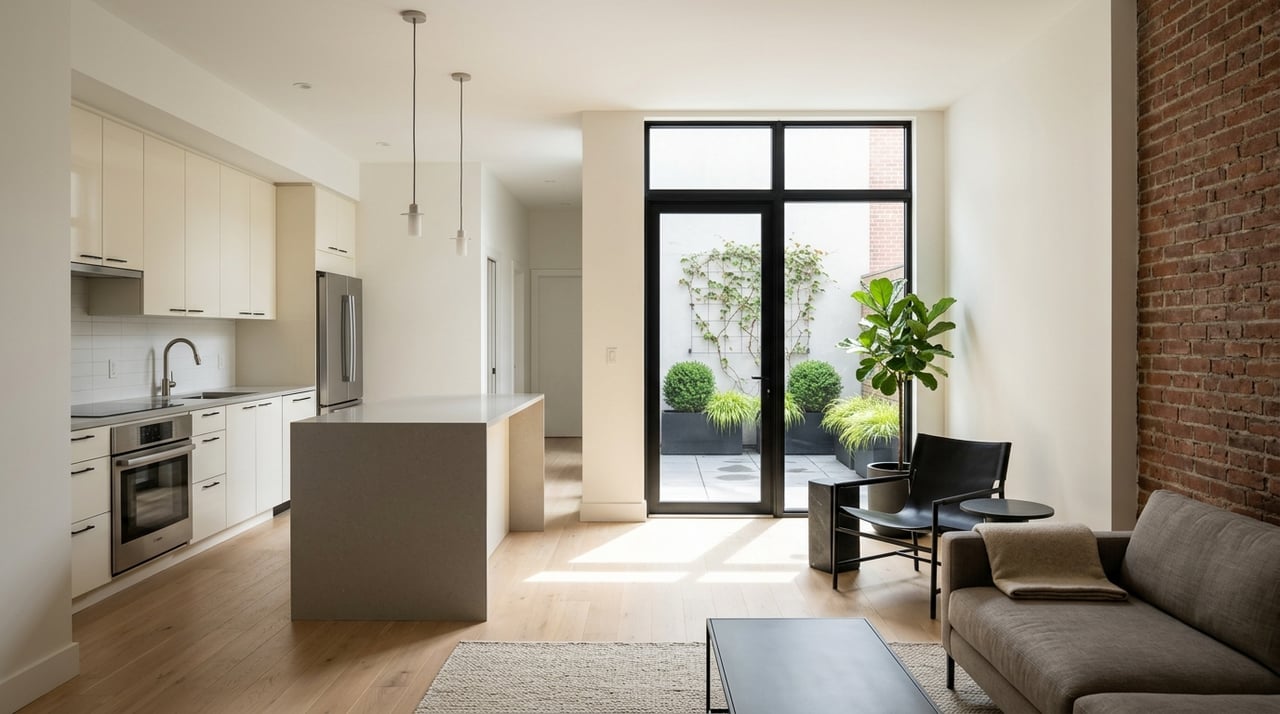
Choosing between a condo and a rowhome in Philadelphia is not just about square footage. It is about how you want to live every day, how much maintenance you want to handle, and which part of the city feels like home. If you are weighing both options, this guide will help you compare the real tradeoffs in Philadelphia so you can move forward with more confidence. Let’s dive in.
Why this choice feels different in Philadelphia
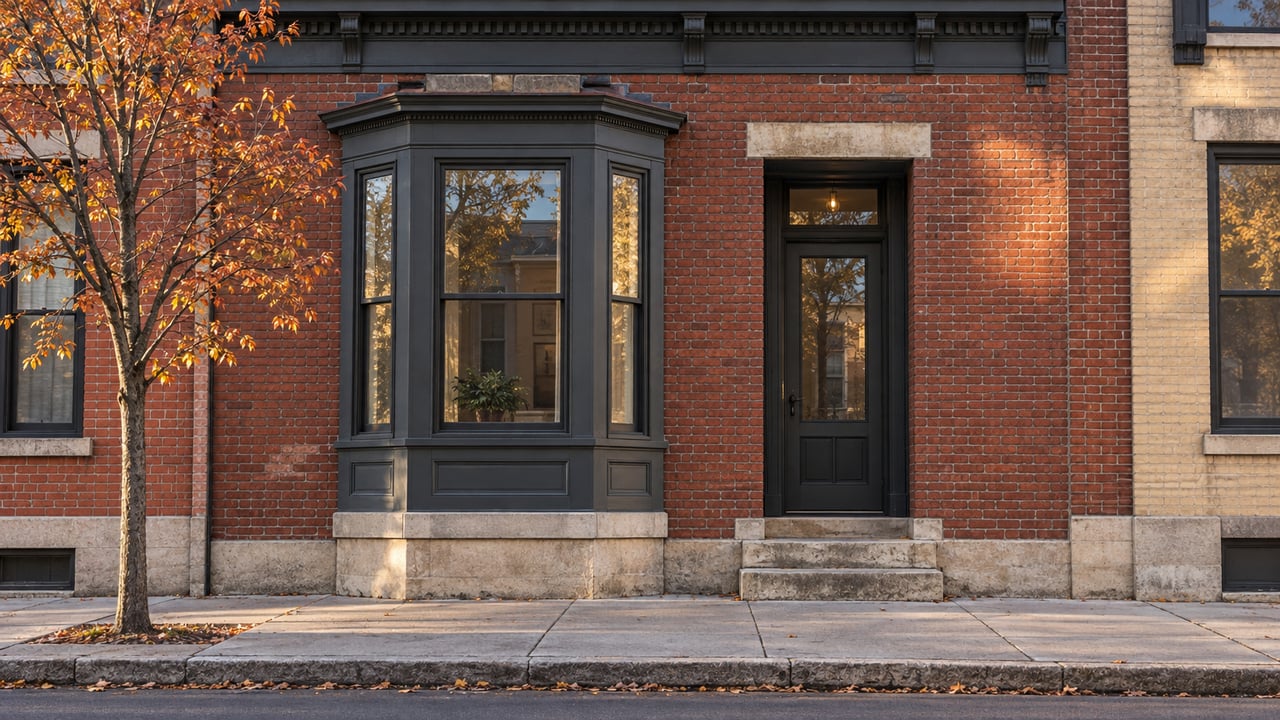
Philadelphia is a rowhouse city at its core. According to the City of Philadelphia’s rowhouse manual, rowhouses outnumber all other housing types and remain one of the city’s most space-efficient and cost-effective forms of housing.
That local context matters. In many cities, condo versus townhouse can feel like a generic real estate decision. In Philadelphia, it is much more tied to neighborhood pattern, block style, and how ownership works in different parts of the city.
Center City shows the contrast clearly. More than one in eight Philadelphians live in Greater Center City, even though it accounts for only a small share of the city’s land area, which helps explain why condos are so common in the denser urban core.
How rowhomes and condos differ daily
Rowhomes offer more direct control
A rowhome usually gives you more control over your property. You are typically making the decisions about repairs, upgrades, exterior work, and long-term maintenance.
That freedom appeals to many buyers, especially if you want more say over how your home looks and functions. The tradeoff is that you are also responsible for more of the upkeep, from roofs and windows to basements, porches, and permits for certain projects.
Condos simplify shared maintenance
A condo works differently because it comes with an owners’ association. Under Pennsylvania law, the association manages the common elements and can adopt budgets, rules, bylaws, and assessments.
In practical terms, that often means the building handles shared systems and spaces like the roof, hallways, exterior areas, and other common elements. You focus more on the interior of your unit, but you also give up some control over shared decisions.
Condo fees are part of the model
If you are considering a condo, monthly association assessments are not a side detail. They are a core part of ownership.
Pennsylvania law requires condo associations to adopt annual budgets and assessments, and unpaid assessments can become a lien on the unit. Associations can also enforce fees, late charges, interest, fines, and collection costs as assessments, so it is important to understand the building’s finances before you buy.
Space and layout in Philadelphia homes
Rowhomes vary more than many buyers expect
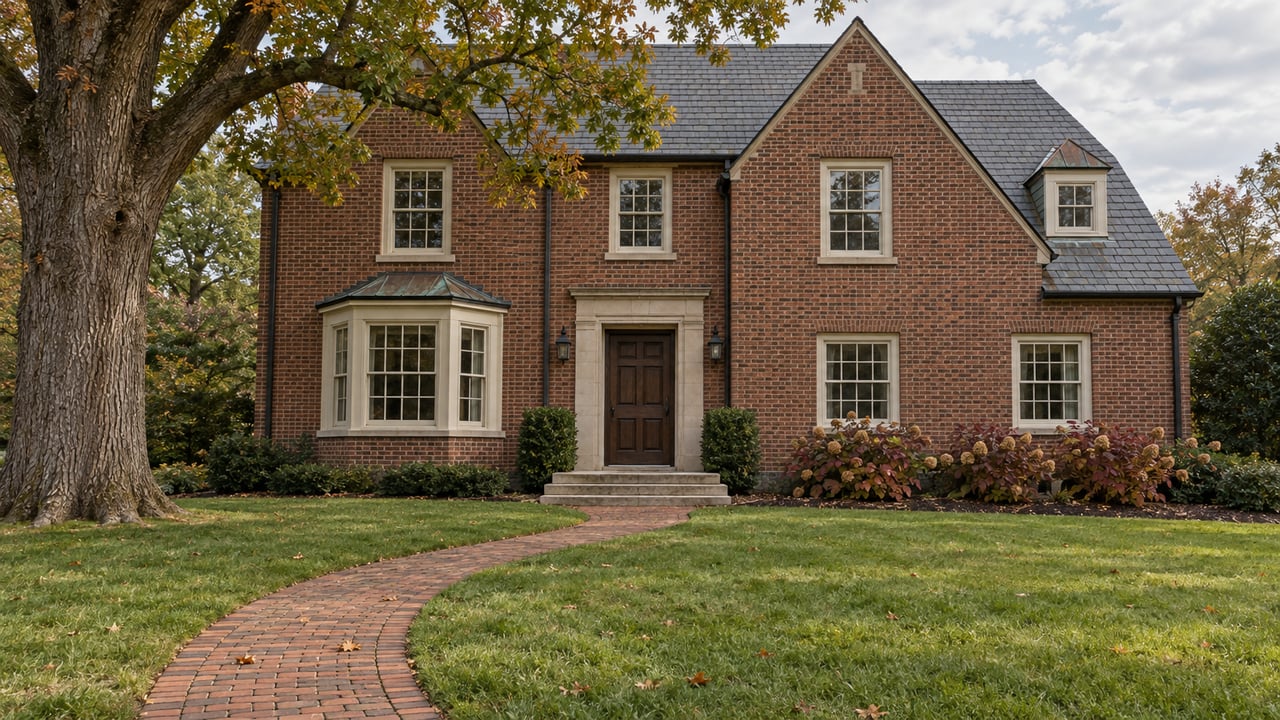
One of the biggest surprises for buyers is how much rowhomes can vary. The city’s rowhouse manual describes trinity houses at about 400 to 600 square feet, double-trinity homes at roughly 1,000 to 1,800 square feet, and larger townhouse forms that can range from about 3,000 to 7,000 square feet depending on the type and neighborhood.
That means a Philadelphia rowhome can feel compact and efficient or large and dramatic. The home’s age, layout, lot pattern, and location all shape how it lives day to day.
Condos often trade space for convenience
Condos in dense parts of Philadelphia often appeal to buyers who want location, simplicity, and easy access to daily amenities. In exchange, you may get less interior space, less private outdoor space, or both.
That trade can make perfect sense if your priority is being close to restaurants, arts, transit, and walkable streets. For many buyers, especially in Center City, convenience is the feature that matters most.
Privacy, outdoor space, and parking
Rowhomes can offer more private-use potential
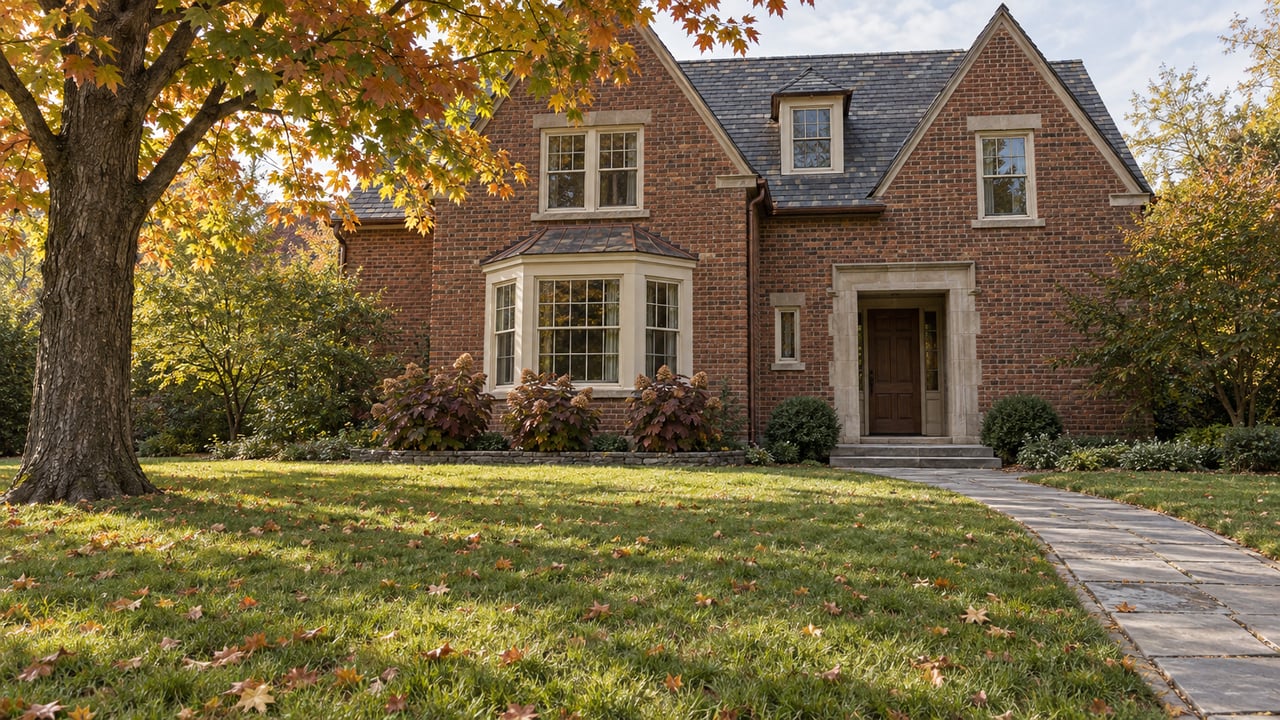
Philadelphia rowhomes are attached, so they do not offer the same separation as a detached house. Still, they can provide features many buyers want, such as stoops, porches, small yards, or roof decks.
The city’s rowhouse manual notes that stoops and porches can create a protected outdoor area and a view of street life that is part of the city’s block culture. It also notes that roof decks can be valuable amenities, but they require zoning and building permits and do not waterproof the roof on their own.
Parking is often easier in theory than in practice
Many buyers assume a rowhome makes parking easier, but that is not always simple. The city notes that new on-site parking on a rowhouse property requires a permit because it involves a curb cut, and curb cuts can remove street parking.
So if private parking matters to you, you will want to look closely at the specific lot, existing setup, and permitting status. In Philadelphia, parking is often a property-specific question, not just a property-type question.
Condo parking depends on the building
With condos, parking and outdoor access are usually building-specific. Some buildings offer garage parking or designated spaces, while others do not.
In walkable areas like Center City and Rittenhouse, many buyers are comfortable with less private ground-level space and less car dependence. That lifestyle can be a strong fit if you value transit access and being able to do more on foot.
Where condos often make sense
Center City fits a condo lifestyle
Center City is Philadelphia’s compact downtown, with dining, shopping, arts, and transit concentrated in a dense, walkable core. Center City District reports that Greater Center City has more than 206,000 residents and a downtown density of 54.5 residents per acre.
That density helps explain why condo living feels natural there. If you want to be close to daily activity and prefer a building-managed lifestyle, a condo may line up well with how you want to live.
Rittenhouse rewards location-first buyers
Rittenhouse Square is known for a busy dining and shopping scene, strong park presence, and limited metered street parking. Buyers there often prioritize location and walkability over having more private space or easier parking.
If that sounds like your lifestyle, a condo can be a smart match. You may be trading some room and flexibility for one of the city’s most active, accessible settings.
Where rowhomes often shine
Old City and Society Hill highlight historic character
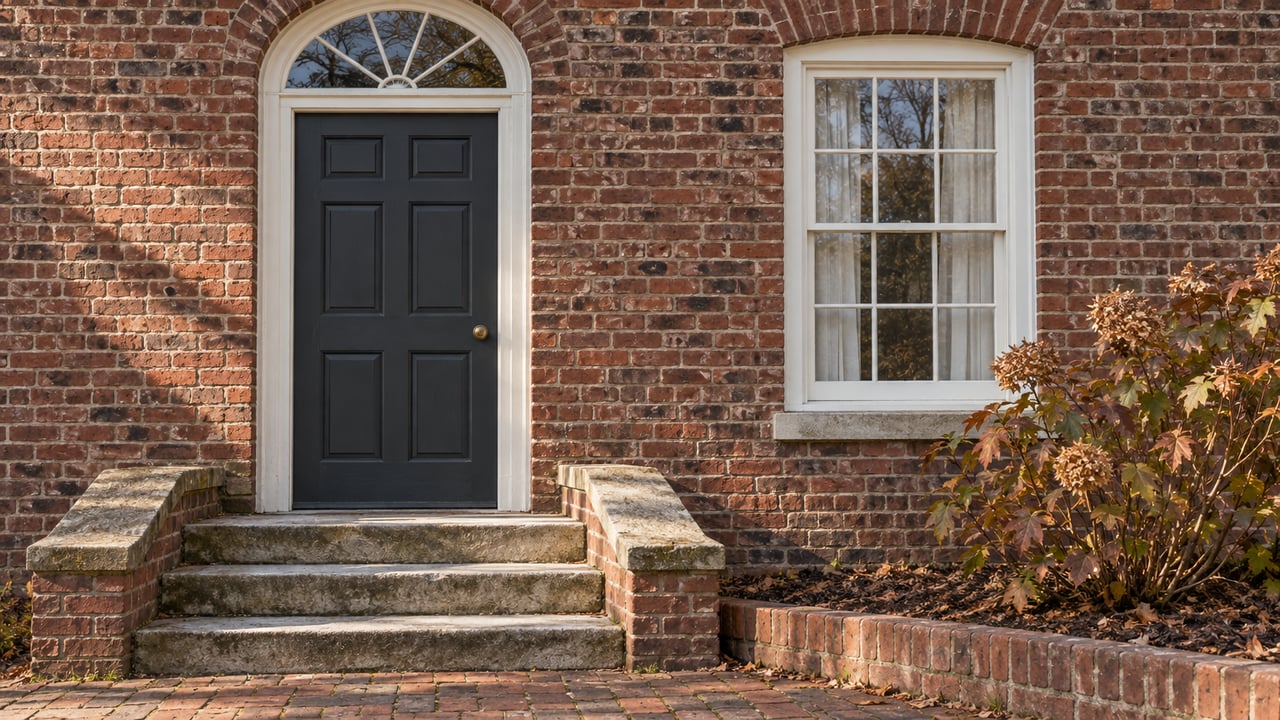
Old City and Society Hill are closely tied to some of Philadelphia’s oldest rowhouse forms. These areas are known for historic streetscapes, red-brick architecture, and a quieter residential feel within the urban core.
If architectural character matters to you, a rowhome in these neighborhoods may feel especially compelling. The appeal is often about more than the floor plan. It is also about living within a distinct historic fabric.
Fishtown and nearby neighborhoods offer variety
Fishtown, Kensington, and Port Richmond show another side of the rowhome decision. These neighborhoods include classic rowhouse stock alongside newer infill and ongoing development.
That mix can give buyers more options in style, renovation level, and price point. If you want rowhome character with access to newer neighborhood energy, this part of the city can be worth a close look.
Costs to compare before you choose
Property taxes apply to both
Philadelphia’s current Real Estate Tax rate is 1.3998% of assessed value, due March 31 each year. Eligible owner-occupants may reduce the taxable portion of their assessment by $80,000 through the Homestead Exemption.
These costs apply whether you buy a condo or a rowhome. They should be part of your monthly ownership math from the start.
Transfer tax affects every purchase
Philadelphia’s current realty transfer tax is 4.578% total, made up of 3.578% city tax plus 1% Commonwealth tax. It is due when the deed is recorded and is usually split between buyer and seller, although the city can collect the full amount from either party.
That is another reason to plan beyond just the purchase price. Closing costs can shape what feels affordable, especially in competitive price ranges.
Condo fees change your monthly budget
A condo’s monthly assessment can shift the affordability picture in a big way. Even if the purchase price is lower than a rowhome, the fee needs to be treated as part of your regular housing cost.
That does not make condos better or worse. It simply means you should compare the full monthly picture, including taxes, fees, and what maintenance responsibilities are included.
What resale trends suggest
Recent Bright MLS data shows a modest pattern in the Philadelphia metro area. In March 2026, condos had a median sold price of $280,000, 30 days on market, 1,230 active listings, and 2.93 months of supply, while attached or townhome properties had a median sold price of $305,000, 25 days on market, 1,790 active listings, and 2.50 months of supply.
A similar pattern appeared in June 2025. Condos posted a median sold price of $310,000 and 15 days on market, while attached or townhomes posted $325,000 and 12 days.
The takeaway is not that one option always wins. It is that rowhome-style attached housing may move a bit faster in some price bands, while actual resale still depends heavily on block, condition, parking, outdoor space, and building or renovation quality.
A simple way to decide
If you are torn between a condo and a rowhome, start with your daily life rather than the listing photos. Ask yourself which ownership model feels easier and more sustainable for you.
A condo may be the better fit if you want:
- Lower responsibility for exterior maintenance
- A building-managed ownership structure
- A lifestyle centered on walkability and transit
- Less day-to-day involvement in shared building systems
A rowhome may be the better fit if you want:
- More autonomy over the property
- More potential for private outdoor space
- A better chance at certain parking setups
- Comfort with handling repairs, permits, and ongoing upkeep yourself
In Philadelphia, the best choice is usually not condo versus rowhome in the abstract. It is the intersection of neighborhood, block, budget, fee structure, and how much maintenance you want to own personally.
If you want help narrowing down the right fit in Philadelphia, Maria Petrogiannis offers local, hospitality-driven guidance to help you compare neighborhoods, property types, and the real tradeoffs behind each option.
FAQs
What is the main difference between a condo and a rowhome in Philadelphia?
- A condo usually means you own the interior of your unit while an association manages common elements, while a rowhome typically gives you more direct control and more direct maintenance responsibility.
Are rowhomes more common than condos in Philadelphia?
- Yes. The City of Philadelphia’s rowhouse manual says rowhouses outnumber all other housing types in the city.
Are condo fees required for Philadelphia condos?
- Condo associations in Pennsylvania are required to adopt annual budgets and assessments, so monthly or regular association fees are a core part of condo ownership.
Is parking easier with a Philadelphia rowhome?
- Not always. Some rowhomes may offer parking potential, but new on-site parking requires city permitting because it involves a curb cut, so parking depends on the specific property.
Which Philadelphia neighborhoods are more condo-friendly?
- Center City and Rittenhouse often fit condo buyers well because of their density, walkability, transit access, and location-focused lifestyle.
Which Philadelphia neighborhoods are known for rowhome character?
- Old City, Society Hill, Queen Village, South Philadelphia, Manayunk, and parts of Kensington are all tied to Philadelphia’s rowhome fabric, though the style and scale vary by area.