Wondering what daily life in a Philadelphia rowhome feels like? Maybe you love the idea of a classic brick facade, a cozy stoop, and a walk to coffee or transit. You also want clear answers about space, stairs, parking, maintenance, and permits before you buy. This guide breaks down the lived experience, from layouts and neighborhood rhythm to costs and checklists, so you can decide with confidence. Let’s dive in.
What a Philadelphia rowhome is
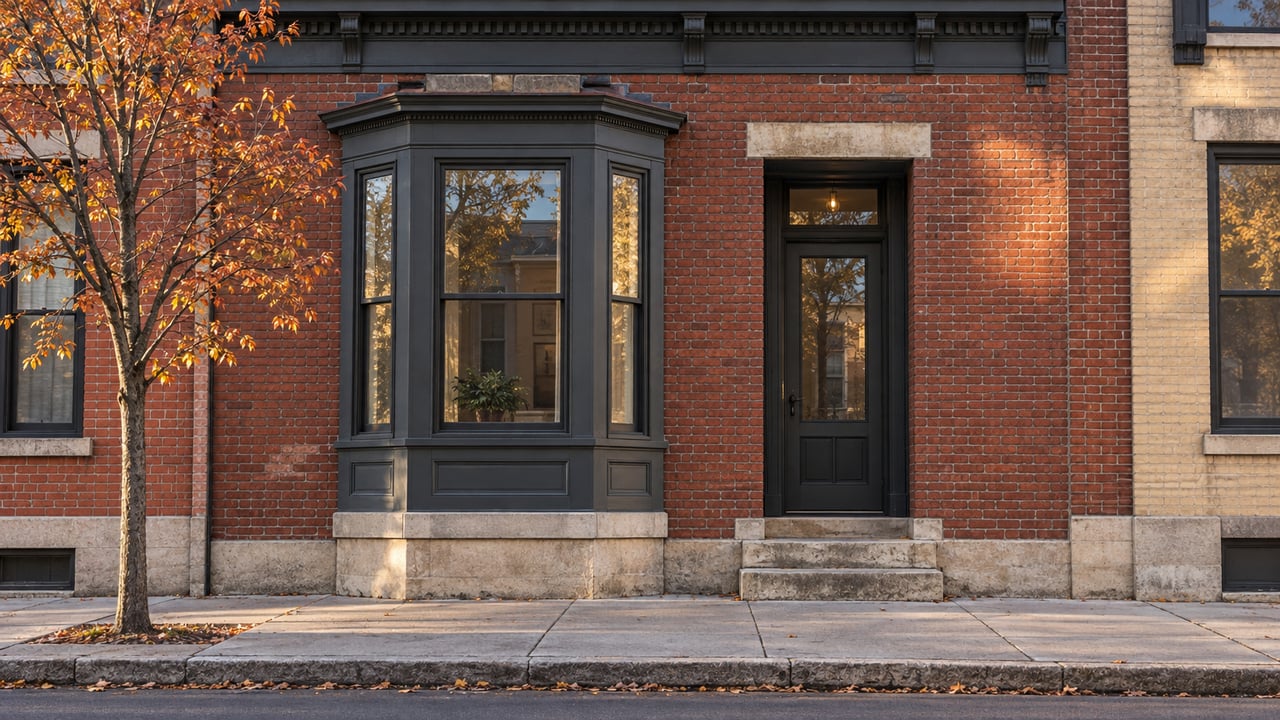
Philadelphia rowhomes are narrow, attached houses that share party walls and line the block in a continuous row. Many date from the late 18th to early 20th century, with a mix of Federal, Greek Revival, Italianate, and Victorian styles, plus modern infill. Brick masonry façades, wood-framed floors and roofs, and low-slope or flat roofs are common.
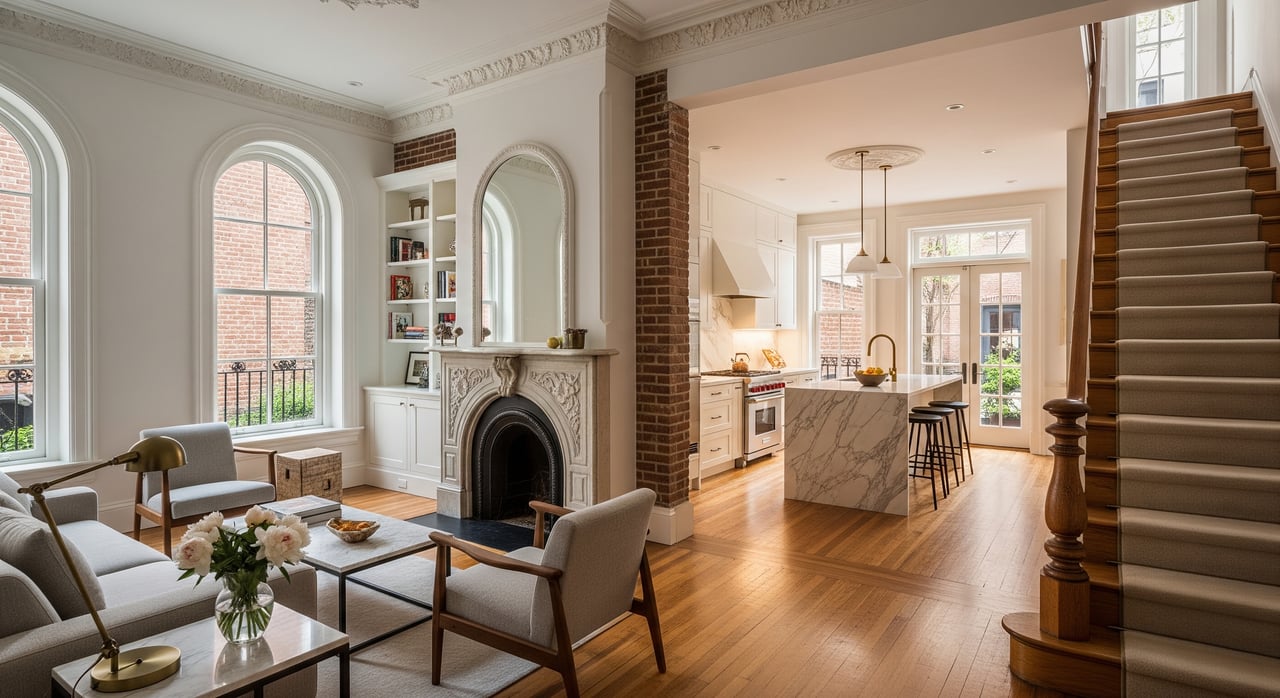
Inside, you often see a front stoop and vestibule, a parlor or living area that flows to dining, and a rear kitchen. Bedrooms sit on the upper levels, usually across two or three floors. Many homes include a basement for utilities and storage, plus a small rear yard or patio. Modern renovations may open the main level, upgrade systems, and add a roof deck.
Rowhomes vary in width and depth, but many older homes are about 12 to 18 feet wide. Typical single-family layouts include 2 to 4 bedrooms and 1 to 3 baths. You can also find multi-unit conversions in some neighborhoods.
Daily life inside a rowhome
You live vertically. That means stairs for groceries, laundry, and bedtime routines. If you prefer one-level living, plan ahead for how you will use each floor.
You also trade big rooms for flexible ones. Open-plan kitchens toward the back, finished basements, and roof decks help you gain livable space without a large footprint. Shared party walls can transmit sound, so insulation and soundproofing upgrades are common.
Outdoor space and street life
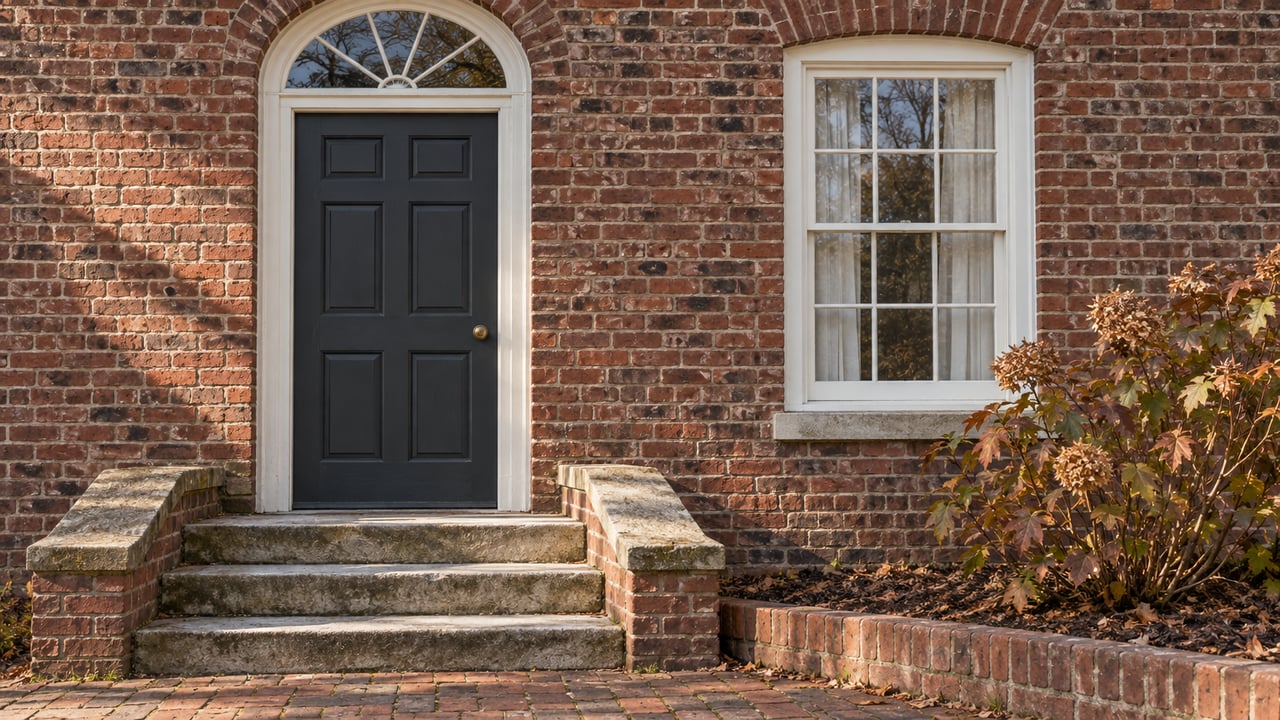
The stoop is a signature feature that acts like a small social porch. Many blocks lean into friendly waves and quick chats as neighbors come and go. Rear yards or patios are often modest, and some homes back onto alleys that help with trash service or access.
Not every property has alley access or a driveway. If outdoor space is a priority, focus your search on blocks with slightly deeper lots or consider a home with a roof deck for private outdoor time.
Getting around without a car
Walkability is a major perk. Many rowhome neighborhoods score high for daily errands and dining. You can check walkability scores by neighborhood on Walk Score to compare areas you are considering.
For commuting, SEPTA’s rail, subway, trolley, and bus network covers much of the city. You can explore routes and schedules on the SEPTA website to map your typical commute or weekend plans. If you bike, you will see growing lane coverage in central neighborhoods, and you can plan for indoor bike storage just inside the entry or in the basement.
- Explore neighborhood walkability: check Walk Score
- Plan transit routes and schedules: visit SEPTA
Parking realities
Street parking is the norm in many Philadelphia rowhome areas. Some blocks are in residential permit zones, which help manage weekday demand. Private garages are less common in older rowhome fabric, though some homes may offer rear parking.
If you are used to a dedicated driveway, factor this tradeoff into your search. Test your evening parking routine during a showing, and speak with neighbors about patterns on the block.
Maintenance and systems to expect
Older masonry homes need routine exterior care. Expect periodic brick pointing, lintel and flashing repair, and consistent roof and gutter maintenance. In basements, moisture control is a recurring focus, so sump pumps and drainage improvements are common investments.
On the mechanical side, many homes have hot-water radiators or steam boilers, and forced-air systems are frequent retrofits. Electrical panels may need upgrades to support modern loads. Plumbing lines might include older materials that have been replaced in renovations.
Energy performance depends on insulation and airtightness. You can explore potential energy efficiency rebates and upgrade options through PECO. The Philadelphia Water Department has offered stormwater programs in the past, and owners often consider downspout, yard grading, or drainage improvements to help manage runoff.
Safety considerations in older homes
Because much of the housing stock predates 1978, lead-based paint can be present. Learn how to identify and reduce risk by reviewing the EPA’s guidance on lead-safe practices. If you plan renovations, testing and abatement are key steps to protect your household.
Asbestos may be present in older pipe wrap or insulation materials. Many owners conduct hazard assessments before major work. Basements with moisture can create mold issues, so dehumidification, ventilation, and water management become priorities.
- Lead safety and renovation basics: EPA lead resources
Permits, historic review, and zoning basics
The City’s Department of Licenses and Inspections requires permits for structural, mechanical, electrical, and plumbing work. Verifying permit history and using licensed contractors helps you avoid surprises at resale. Interior changes are often straightforward, while exterior work can be more regulated in designated historic districts.
If the home sits in a historic district or is a designated landmark, the Philadelphia Historical Commission may review exterior changes like window replacements, façades, and roof decks visible from the street. Zoning rules also shape what you can add, including rear additions or multi-unit conversions. A knowledgeable contractor and inspector can help you plan.
Taxes, flood risk, and insurance
Property assessments and taxes are handled by the Philadelphia Office of Property Assessment. Owner-occupants may qualify for the Homestead Exemption and other relief programs, subject to eligibility rules. Before buying, ask your lender and insurance agent about coverage and premium impacts for older systems.
Flood risk varies by block and proximity to the Delaware and Schuylkill rivers. Your lender may require flood insurance if the property falls within a mapped floodplain. You can check flood maps on the FEMA portal and review local flooding history when evaluating basements and utilities.
- Check official flood maps: FEMA map portal
How rowhomes compare to other options
Compared to a detached suburban home, you often trade larger yards and driveways for walkability, transit access, and a tight-knit block feel. You may also take on more routine upkeep typical of older systems. Compared to a condo, you get full control of your structure and land, often without monthly association fees, but you absorb the maintenance yourself.
Newer infill townhouses can offer modern systems, stronger insulation, and sometimes garages. Historic rowhomes deliver character and established neighborhoods. Your choice comes down to your lifestyle and maintenance preferences.
Buyer checklist for rowhome showings
Use this quick list to structure your walkthroughs and questions.
- Structural: look for settling, bowed walls, sagging floors, and masonry cracks.
- Roof and gutters: ask about the roof age, flashing, and any leak history.
- Basement and foundation: check for water stains, efflorescence, sump pumps.
- Mechanical systems: confirm ages and service histories of HVAC and water heater.
- Electrical: check the main panel rating and presence of fuses or ungrounded outlets.
- Plumbing: identify pipe materials, test water pressure, look for leaks.
- Interior hazards: watch for peeling paint, suspect asbestos, or mold.
- Permits: verify permits for major work, including kitchen changes and roof decks.
Who thrives in a Philly rowhome
You will enjoy rowhome living if you value walkability, a compact footprint, and neighborhood energy. You should be comfortable with stairs and a smaller private yard. If you like character, plan to invest in maintenance and upgrades over time. If you want turnkey efficiency and parking, a newer townhouse may fit better.
The bottom line
Philadelphia rowhomes offer history, flexibility, and access to daily conveniences. You get a unique blend of city energy and homeownership, with tradeoffs you can manage through smart inspections and targeted upgrades. With the right prep, you can enjoy a classic home that fits your lifestyle for years.
If you want help finding the right block, understanding permit history, or analyzing renovation scope, reach out to Maria Petrogiannis. You will get local insight, steady guidance, and a clear next step toward your goals.
FAQs
What defines a Philadelphia rowhome and how is it laid out?
- A Philadelphia rowhome is a narrow, attached house with shared party walls, usually 2 to 4 stories, with living spaces on the first floor, bedrooms above, a basement for utilities, and often a small rear yard or a roof deck.
How is parking for Philadelphia rowhome neighborhoods?
- Street parking is common, residential permit zones exist in many areas, and private garages are less typical in older blocks, so plan for on-street parking as part of daily life.
What permits and reviews do I need for rowhome renovations in Philadelphia?
- Many structural, mechanical, electrical, and plumbing projects require permits, and exterior work in historic districts may need review by the Historical Commission, so verify permit history and use licensed contractors.
How does flood risk affect Philadelphia rowhome owners?
- Flood risk varies by block and proximity to rivers, lenders may require flood insurance in mapped floodplains, and you can check property risk on the FEMA map portal.
What energy and utility programs can help rowhome owners save?
- You can explore efficiency upgrades and potential rebates through PECO, and consider air sealing, insulation, and HVAC improvements to boost comfort and lower bills.