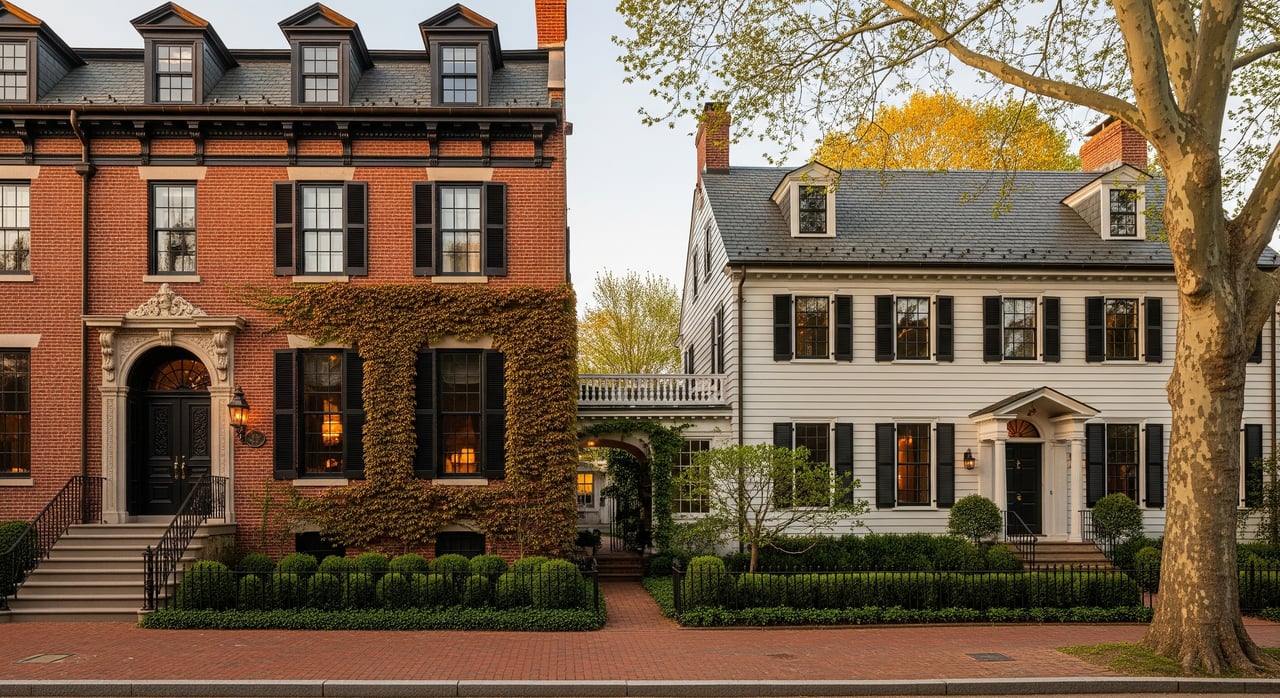
Trying to decide between a Princeton townhouse and a single-family home? You are not alone. Buyers in Mercer County often weigh yard space and privacy against walkability, maintenance, and commute time. In this guide, you will learn how each option fits Princeton’s lifestyle, what costs to compare, and the key questions to ask before you make an offer. Let’s dive in.
Princeton housing at a glance
Townhouses and single-family homes both work well in Princeton, but they shine for different reasons.
- Townhouses often sit closer to downtown and transit, offering lower-maintenance living with an HOA that handles shared spaces.
- Single-family homes typically provide larger yards, more privacy, and greater flexibility for renovations, with you in charge of all exterior care.
- In and near historic districts, exterior changes may require municipal review. Check the Princeton municipal website for guidance on zoning and preservation.
Ownership costs: what changes by property type
Purchase price and resale
In Princeton, single-family homes often command a premium when lot size, privacy, and historic character stand out. Townhouses near downtown and transit draw strong interest from professionals, downsizers, and small families who want location and convenience. For a clear picture of today’s pricing and days on market, review current comparables with your local agent.
Property taxes
New Jersey has relatively high property tax burdens, and your annual bill will be a major part of your carrying costs. Tax rates apply to assessed value, so single-family homes with larger lots often have higher absolute tax bills than many townhomes. To compare specific addresses, check records through the Mercer County tax assessor or Board of Taxation on the Mercer County website, and review the property’s recent tax history with your agent.
HOA fees and special assessments
If you buy a townhouse in an HOA, expect a monthly fee that may cover exterior maintenance, landscaping, snow removal, amenities, and contributions to reserves. Fees and coverage vary by community. Always request and read the full HOA package, including budget, reserve study, meeting minutes, and the master insurance policy. The Community Associations Institute offers helpful guidance on how healthy HOAs operate and fund reserves.
Insurance differences
Insurance responsibility depends on the ownership structure. In a single-family home, you will typically carry an HO-3 policy for the structure and your liability. In many townhome or condo-style associations, the HOA’s master policy covers common elements or the building exterior, and you would carry an HO-6 policy for interior finishes and personal liability. Confirm where the association’s coverage ends and yours begins. The Insurance Information Institute explains how these policy types differ.
Utilities and operating costs
Townhomes can be more energy-efficient because they share walls and often have smaller exterior footprints. Some associations include water, sewer, or trash in the monthly fee. Single-family homes usually have separate meters for all utilities and higher lawn and exterior costs. Ask for average monthly utilities for the past year when you compare homes.
Maintenance and capital expenditures
With a townhome, you typically take care of interior maintenance, while the HOA manages common areas and major exterior items if the governing documents say so. With a single-family home, you are responsible for everything inside and out. A common rule of thumb is to set aside 1 to 3 percent of the home’s value annually for maintenance, adjusted for age and condition. For planning, browse contractor benchmarks in the Angi maintenance cost guides and consult local pros for Princeton-specific estimates.
Yard, parking, and flexibility
Outdoor space
- Single-family: Larger private yards with room for gardening, play areas, and future outdoor projects. Great if a private outdoor lifestyle is a priority.
- Townhouse: Smaller yards or patios, sometimes with access to shared green space. The tradeoff can be proximity to shops, dining, and culture.
Parking and garages
- Townhouse: Parking may be a garage, driveway, or assigned space. Confirm guest parking rules, overnight policies, and whether street parking requires permits.
- Single-family: Private driveway and garage are common, but downtown areas can have stricter street-parking rules. For local regulations and permits, check the Princeton municipal website.
Renovations and exterior changes
- Townhouse: Exterior changes usually need HOA approval and may be limited. Review rules on windows, fences, paint, decks, and satellite dishes.
- Single-family: You generally have more freedom, subject to municipal zoning and any historic-district review near the core of Princeton. Start with guidance from the Princeton municipal website if you are planning future projects.
Proximity, commute, schools, and lifestyle
Walkability and downtown access
Townhouses often cluster near central Princeton, where you can walk to Nassau Street, restaurants, and cultural venues. Single-family homes in surrounding neighborhoods may offer more space while trading some walkability.
Commute and transit
The Princeton Junction station on NJ Transit’s Northeast Corridor is the key commuter hub to Newark, New York, and Philadelphia connections. Consider driving or shuttle time to the station, parking availability, or whether you can walk or bike for part of your commute. Review routes and schedules on NJ Transit.
Schools
Princeton Public Schools attract many buyers. Always confirm the attendance zone for a specific address through the district at Princeton Public Schools and review state-level information using the New Jersey Department of Education’s resources at nj.gov/education. School assignment can vary at municipal borders, so verify early in your search.
Resale and buyer pool
Townhomes near downtown and transit appeal to professionals, small families, and downsizers seeking convenience. Single-family homes typically attract buyers who value space and privacy. Liquidity shifts with inventory and seasonality, so ask your agent for current absorption rates and days on market before you decide.
A simple decision framework
Step 1: Clarify your priorities
List your must-haves and nice-to-haves:
- Walkability to downtown and dining
- Commute time to Princeton Junction or shuttle access
- Yard size and privacy
- Number of bedrooms and flexible spaces
- Garage and guest parking needs
- Low-maintenance living vs hands-on control
- Historic charm vs newer systems
Step 2: Run the numbers for each property
Create a side-by-side estimate that includes:
- Purchase price and closing costs
- Annual property tax bill
- Monthly HOA fee and any special assessment history
- Insurance premium estimate and coverage scope
- Utilities: electric, gas, water, sewer, trash
- Annual maintenance set-aside and upcoming capital items
- Resale drivers: proximity to downtown and transit, lot size, and condition
Step 3: Ask targeted questions
For any property:
- What do comps within 1 mile say about value and time on market?
- What are the last three years of tax bills? Any tax appeals?
- Are there municipal liens or upcoming infrastructure projects that could affect taxes?
For townhomes and HOAs:
- What exactly does the HOA fee cover, and are utilities included?
- What is the reserve fund health, and when was the last reserve study?
- Any recent or upcoming special assessments? How often have fees increased?
- Rules on pets, rentals, exterior changes, and parking enforcement?
- Who manages the association and how responsive are they?
For single-family homes:
- Age and condition of roof, HVAC, water heater, windows, and major systems
- Sewer or septic status, drainage or easement issues
- Any historic-district requirements that affect future renovations
Step 4: Consult local experts and documents
- A local real estate agent for up-to-date comps and neighborhood trends
- HOA documents: budget, reserve study, minutes, insurance policy, CC&Rs, bylaws
- County tax records at the Mercer County website
- Planning and historic guidance via the Princeton municipal website
- Insurance agent familiar with HO-3 and HO-6 policies and association master coverage
- Professional home inspector and any needed specialists
- Transit routes and schedules on NJ Transit
Real-world scenarios
You are a busy commuter who wants to walk to dinner and hop a shuttle to Princeton Junction. A townhouse near central Princeton could minimize weekend chores while keeping you close to transit and amenities. The HOA fee becomes part of your monthly budget in exchange for less exterior work.
You are growing your household and want a private yard, room to expand, and flexibility to customize over time. A single-family home in a nearby neighborhood may fit best, with higher control over renovations and more outdoor space for play or gardening.
Your next step
If you are narrowing in on Princeton but weighing townhouse versus single-family, a guided comparison with local comps, tax history, and HOA or inspection findings will make your choice clear. Ready to run the numbers and see the best options for your lifestyle and budget? Reach out to Maria Petrogiannis for a personalized consult.
FAQs
How do HOA fees affect total cost in Princeton?
- HOA fees add to your monthly budget but often cover exterior care, landscaping, snow removal, and amenities. Review the HOA budget, reserve study, and special assessment history to understand long-term costs.
Are property taxes usually higher for single-family homes?
- Single-family homes often have larger lots and higher assessed values, which can mean higher annual tax bills. Verify the last three years of tax bills through Mercer County records.
What insurance do I need for a Princeton townhouse?
- Many townhome buyers carry an HO-6 policy for interior coverage and liability while the HOA covers common elements, but coverage varies. Confirm details in the HOA’s master policy.
Can I renovate freely in a Princeton single-family home?
- You have more flexibility, but zoning and any historic-district rules still apply. Check municipal guidance before planning additions or exterior changes.
Which option is better for commuting to Newark or New York?
- Townhouses closer to central Princeton can make it easier to reach Princeton Junction and NJ Transit. Compare travel times, parking, and shuttle options to your specific station.
How should I compare maintenance costs between the two?
- Use a conservative annual maintenance set-aside and adjust for age and condition. For HOAs, factor in the monthly fee, reserve strength, and potential special assessments.