Wondering what kind of home actually makes sense in Lambertville? In a small river town with historic streets, preserved buildings, and a compact downtown, terms like cottage, condo, and mixed-use home can mean something very different than they do in a newer suburban market. If you are trying to understand how these property types show up in Lambertville and what each one may offer, this guide will help you sort through the local context. Let’s dive in.
Why Lambertville Feels Different
Lambertville is a compact city along the Delaware River and the Delaware and Raritan Canal, and its housing stock reflects that setting. The city describes Lambertville as a place with well-maintained historic homes and commercial buildings, protected open space, and river views.
That historic identity matters when you look at homes here. Rather than large planned developments or broad condo campuses, Lambertville is shaped by preserved older buildings, small-scale blocks, and a walkable downtown pattern. In practical terms, that means buyers often compare property types based on character, layout, maintenance, and location more than on amenities alone.
How Lambertville’s Zoning Shapes Housing
Lambertville’s zoning code includes several residential districts, including R-C, R-L, R-1, R-2, and R-3, along with commercial districts such as the CBD, C-2, and C-3. It also includes inclusionary overlay zones and redevelopment areas, including the Lambertville High School Redevelopment Area.
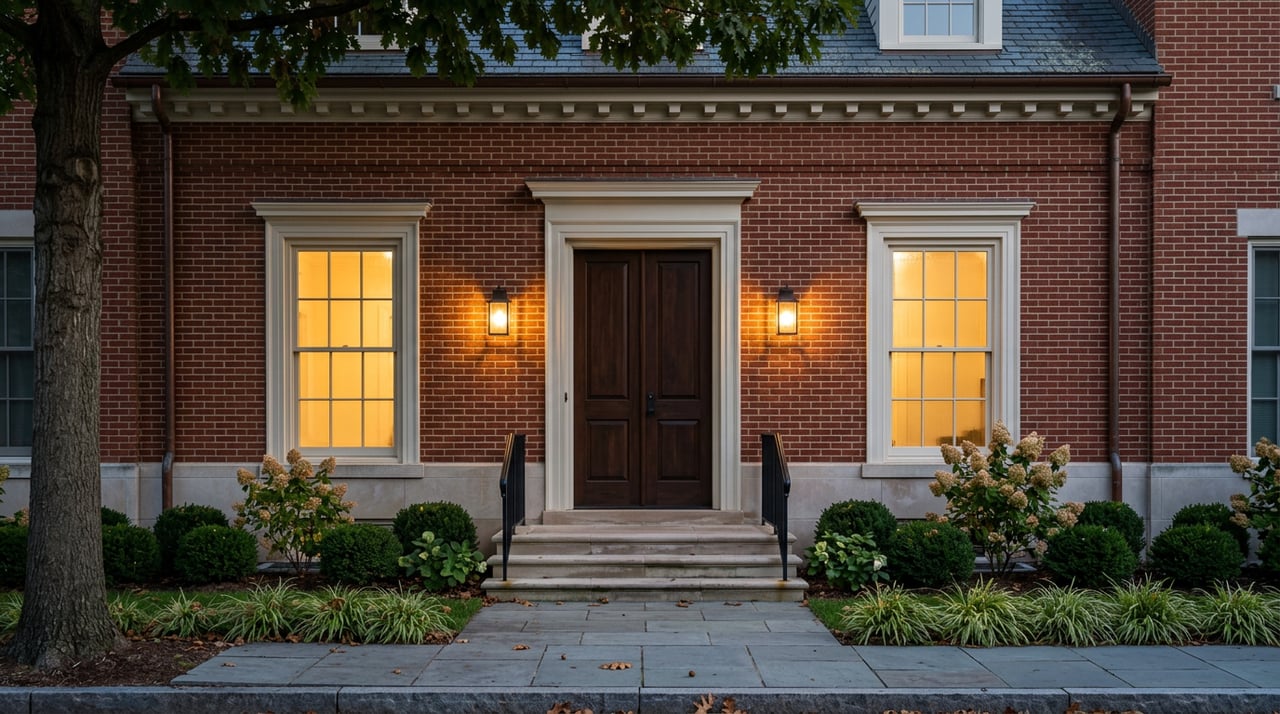
The historic framework is especially important in the downtown core. The Lambertville Historic District aligns with the Central Business District and the C-2 and C-3 commercial districts, and proposed work in that area is reviewed by the Historic Preservation Commission to help ensure that new or rehabilitated buildings reflect the city’s architecturally significant landscape.
For you as a buyer or seller, this helps explain why Lambertville has a strong sense of visual continuity. It also helps explain why homes here often feel tied to block-by-block context rather than to a single broad product category.
What Counts as a Cottage in Lambertville
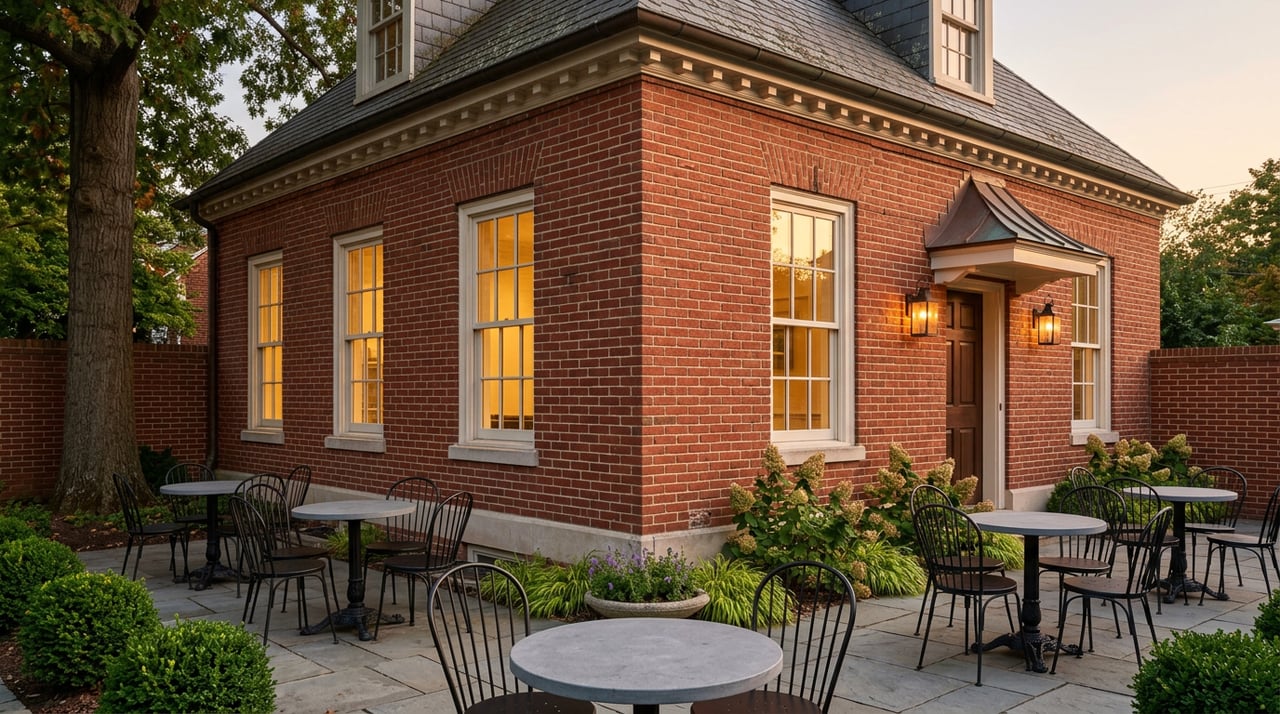
In Lambertville, a cottage is best understood as a compact older home within the city’s historic fabric. It is not usually a separate tract-style product or a newer planned-home category.
The clearest official example is Cottage Hill. City design guidelines say the area developed in the mid to late 1800s and still includes examples of Second Empire and vernacular Victorian styles. Today, the neighborhood is characterized by modest-sized cottages, capes, and colonial revivals.
The same guidelines describe Cottage Hill’s streetscape as informal, with varied front setbacks and mature trees and vegetation. That gives the area a softer, more layered feel than a neighborhood built all at once.
Lambertville also describes a downtown residential neighborhood on North Union Street and the Central Business District as having a range of housing stock that includes capes and cottages. So when you see a home described as a cottage here, it often points to scale, age, and architectural setting rather than to a strict floor plan.
What Cottage Buyers Often Like
Buyers who gravitate toward cottages in Lambertville are often drawn to:
- Older-house character
- Smaller-scale living
- Tree-lined, street-oriented blocks
- Visible period details
- A historic neighborhood setting
Historic-design materials in Lambertville include Federal, Greek Revival, Gothic Revival, Italianate, and Second Empire examples. The city’s guidelines specifically note that Gothic Revival cottages often used decorative wood ornaments and bargeboards, which helps explain why small homes here can feel rich in detail.
What Condos and Townhouse-Style Homes Look Like Here
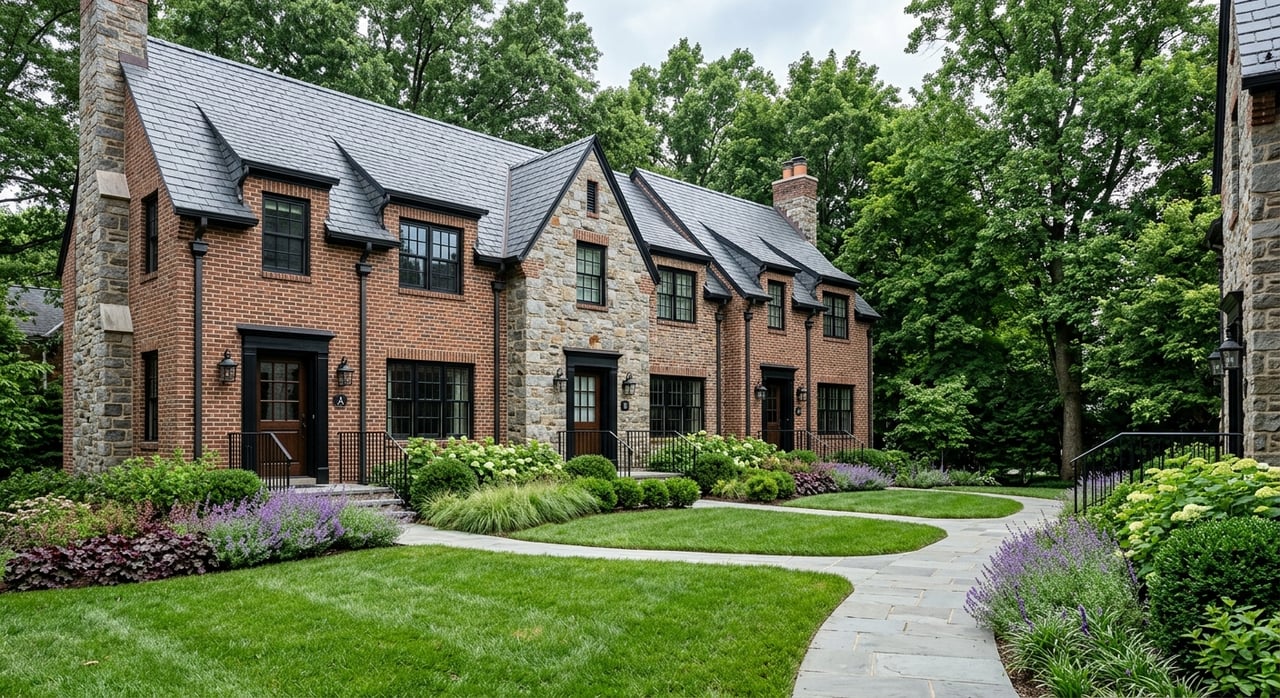
Lambertville does not have a large condo-only district in the way some larger towns or cities do. Instead, the local code includes an R-3 Townhouse Residential zone, along with inclusionary and redevelopment zones that suggest attached ownership housing is more likely to appear as low-rise infill, conversions, or redevelopment-driven projects.
That distinction matters if you are comparing Lambertville to markets filled with newer elevator buildings or amenity-heavy complexes. In Lambertville, attached ownership housing tends to be shaped by the city’s small scale, historic setting, and pedestrian-friendly layout.
Planning documents also emphasize features such as street-facing building orientation, limits on first-floor garages, and compatible materials in the historic core. As a result, condo or townhouse-style options here may feel more integrated into the existing streetscape than separated from it.
Where Newer Attached Housing May Appear
Connaught Hill stands out in the city’s neighborhood analysis. The guidelines say it was subdivided into small lots in the mid-20th century, was never fully developed, has housing stock smaller on average than any other neighborhood in the city, and has been designated as a redevelopment area to encourage new housing construction.
The zoning ordinance also identifies the Lambertville High School Redevelopment Area and the Police Station Redevelopment Zone as places intended to create realistic opportunities for affordable housing. While the planning materials reviewed do not label units there as condos, these areas provide the strongest official clues for where newer attached or infill ownership housing may surface.
What Condo or Townhouse Buyers Often Want
In Lambertville, condos or townhouse-style homes may appeal to buyers looking for:
- Lower-maintenance ownership
- A more walkable location
- A low-rise residential setting
- Smaller footprints near downtown
- An ownership option tied to redevelopment or infill blocks
For many buyers, the tradeoff is straightforward. You may give up the large amenity package found in a bigger complex, but you gain a setting shaped by compatibility, location, and Lambertville’s preserved downtown form.
How Mixed-Use Homes Fit Lambertville
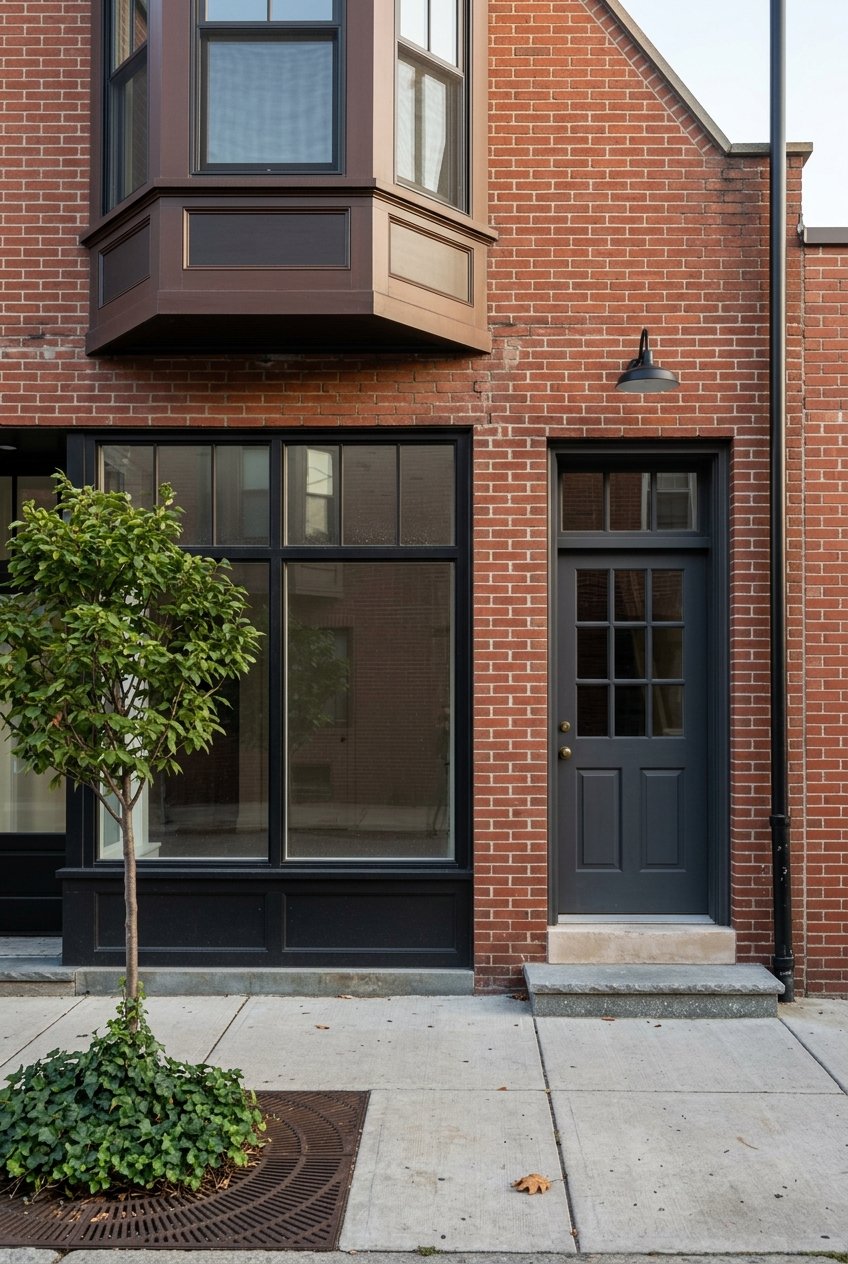
Mixed-use buildings are one of Lambertville’s most distinctive property types. The strongest concentration is in the Central Business District, which the design guidelines call the core of Lambertville’s downtown district.
The same guidelines note that the majority of historic district resources date from the mid to late 19th century, with additional late 18th- and early 20th-century buildings. The city also says that many commercial and office district buildings from the 19th and early 20th centuries remain compatible with residential neighbors. Together, that is the strongest local evidence for storefront-over-residential and office-over-residential building patterns.
Mixed-use character also extends beyond a single downtown block. Lambertville identifies several downtown commercial districts at both the north and south ends of town on Route 29 and on North Union Street from Elm Street to Arnett Avenue.
The city says many of those buildings are late 19th- and early 20th-century industrial structures whose materials, scale, and window proportions are similar to surrounding residential buildings. That means mixed-use opportunities in Lambertville often feel woven into the broader town fabric rather than isolated in one commercial strip.
Why Bridge Street Matters
Bridge Street is especially important when you are thinking about mixed-use homes or small investment property. The city’s design guidelines note gaps in first-floor retail uses on Bridge Street east and west of the Main Street intersection and encourage outdoor cafes and street life there.
The guidelines also describe river access behind the Lambertville Station Restaurant from Bridge Street, and the city highlights Delaware River views from the Bridge Street area. That combination helps explain why the downtown and riverfront edge are natural focal points for live-work buildings and small mixed-use opportunities.
Zoning map amendments also show that the city has adjusted some Bridge Street and Ferry Street parcels so district lines better match frontage and principal use. For buyers and sellers, that is another reminder that property use and location are closely tied in this part of town.
Which Property Type May Suit You Best
If you are deciding between these property types, it helps to start with your daily priorities. In Lambertville, the right fit is often less about size alone and more about how you want to live, maintain the property, and use the location.
| Property type | Best fit for | What stands out locally |
|---|---|---|
| Cottage | Buyers who want character and a smaller historic home | Compact older homes, period details, tree-lined blocks |
| Condo or townhouse-style home | Buyers who want lower-maintenance ownership and walkability | Low-rise infill, attached housing, redevelopment-oriented areas |
| Mixed-use home | Owner-occupants, investors, or buyers seeking live-work potential | Downtown concentration, historic commercial buildings, Bridge Street and CBD presence |
Cottages generally fit people who want older-house character, smaller scale, and a more historic streetscape. Condos or townhouse-style units fit buyers who want lower-maintenance ownership and more walkability, especially near the downtown core or in redevelopment-oriented blocks.
Mixed-use buildings fit owner-operators and small investors who want residential space paired with commercial use. In Lambertville, the clearest opportunities are in the CBD, downtown commercial districts, and Bridge Street or Ferry Street frontage.
What Buyers Should Watch Closely
In Lambertville, property type is only part of the story. You also want to understand whether a home sits in the historic district, how its block functions, and whether the surrounding area is primarily residential, mixed-use, or redevelopment-oriented.
For cottages, pay attention to lot size, layout, and how historic character shows up in the home’s exterior and setting. For condos and townhouse-style homes, look closely at building scale, street orientation, and how the property fits into the surrounding neighborhood pattern.
For mixed-use properties, focus on how the building relates to downtown activity, frontage, and surrounding uses. In a city like Lambertville, these details often have a major impact on both livability and long-term appeal.
Why Local Guidance Matters in Lambertville
Because Lambertville is a preserved river town with a small set of distinct housing forms, broad labels only tell you so much. Two homes that sound similar online can feel very different in person depending on their block, historic context, and relationship to downtown.
That is why local interpretation matters. Whether you are looking for a charming cottage, a lower-maintenance ownership option, or a mixed-use property with flexible potential, it helps to evaluate not just the home itself but how it fits into Lambertville’s zoning, preservation, and neighborhood framework.
If you want help comparing Lambertville cottages, condos, or mixed-use homes, Maria Petrogiannis can help you narrow the options and make sense of how each property type fits your goals.
FAQs
What is a cottage in Lambertville, NJ?
- In Lambertville, a cottage usually refers to a compact older home within the city’s historic fabric, especially in areas such as Cottage Hill or parts of the downtown residential blocks.
Where are condos most likely to be found in Lambertville, NJ?
- Lambertville does not have a large condo-only district, so attached ownership housing is more likely to appear in low-rise infill, conversions, townhouse-style settings, or redevelopment-oriented areas.
What is the best area for mixed-use homes in Lambertville, NJ?
- The clearest mixed-use concentration is in the Central Business District, with additional relevance along Bridge Street, Ferry Street frontage, and other downtown commercial areas.
Are historic rules important when buying in Lambertville, NJ?
- Yes. In the historic district, proposed work is reviewed by the Historic Preservation Commission to help ensure that new or rehabilitated buildings reflect Lambertville’s architecturally significant landscape.
Who might prefer a condo over a cottage in Lambertville, NJ?
- Buyers who want lower-maintenance ownership, walkability, and a smaller low-rise setting near downtown may prefer a condo or townhouse-style home over a cottage.
Why do Lambertville homes feel different from newer suburban homes?
- Lambertville’s housing is shaped by its compact river-town setting, historic preservation framework, and small-scale downtown form, so homes often reflect character, compatibility, and location more than large-development design.