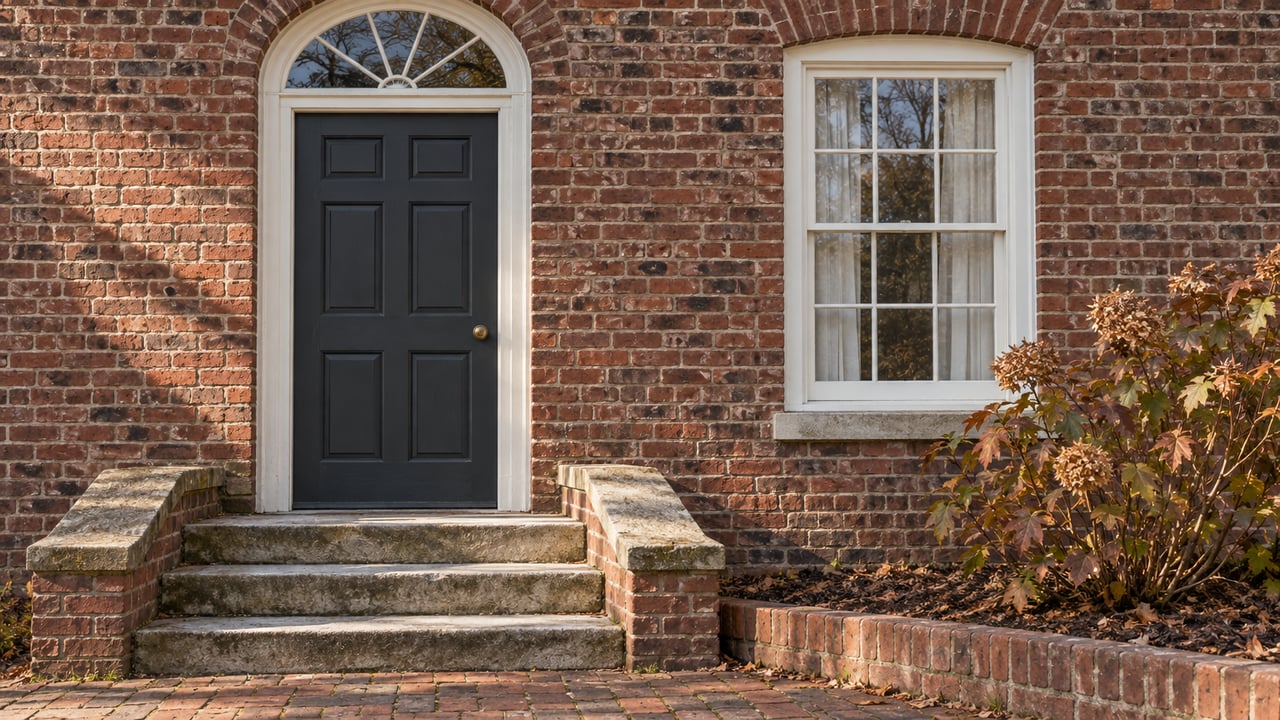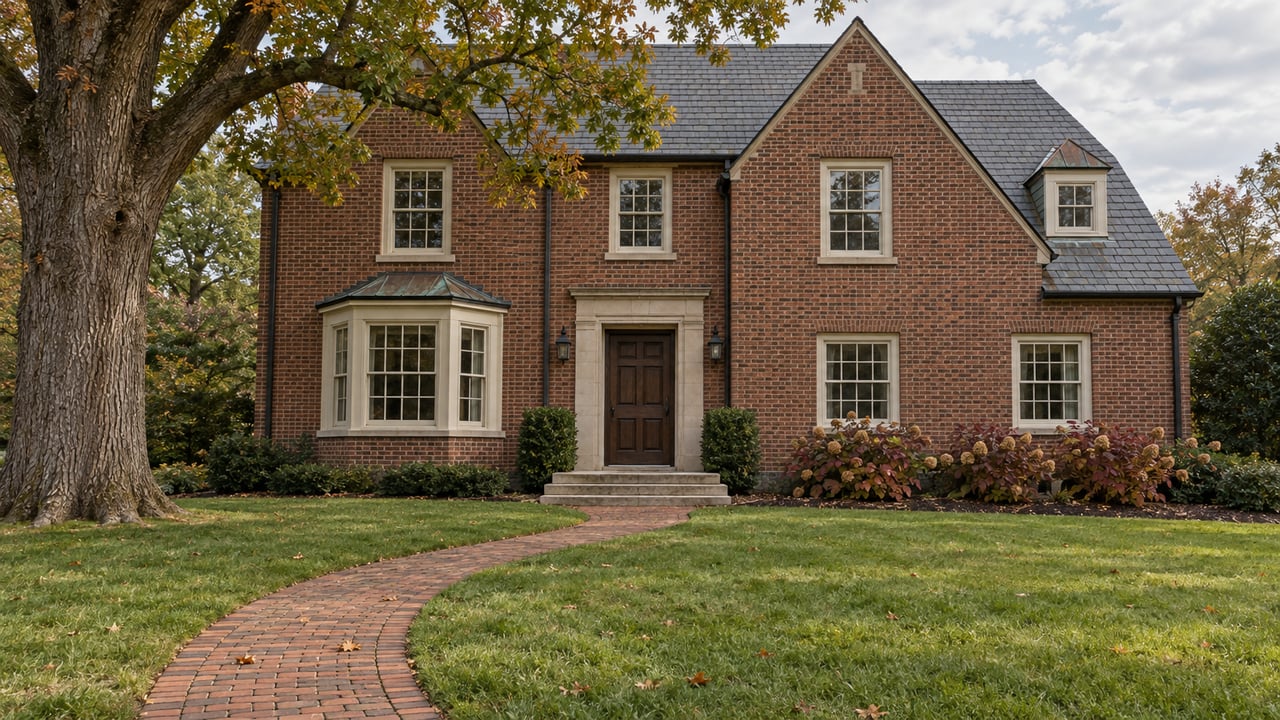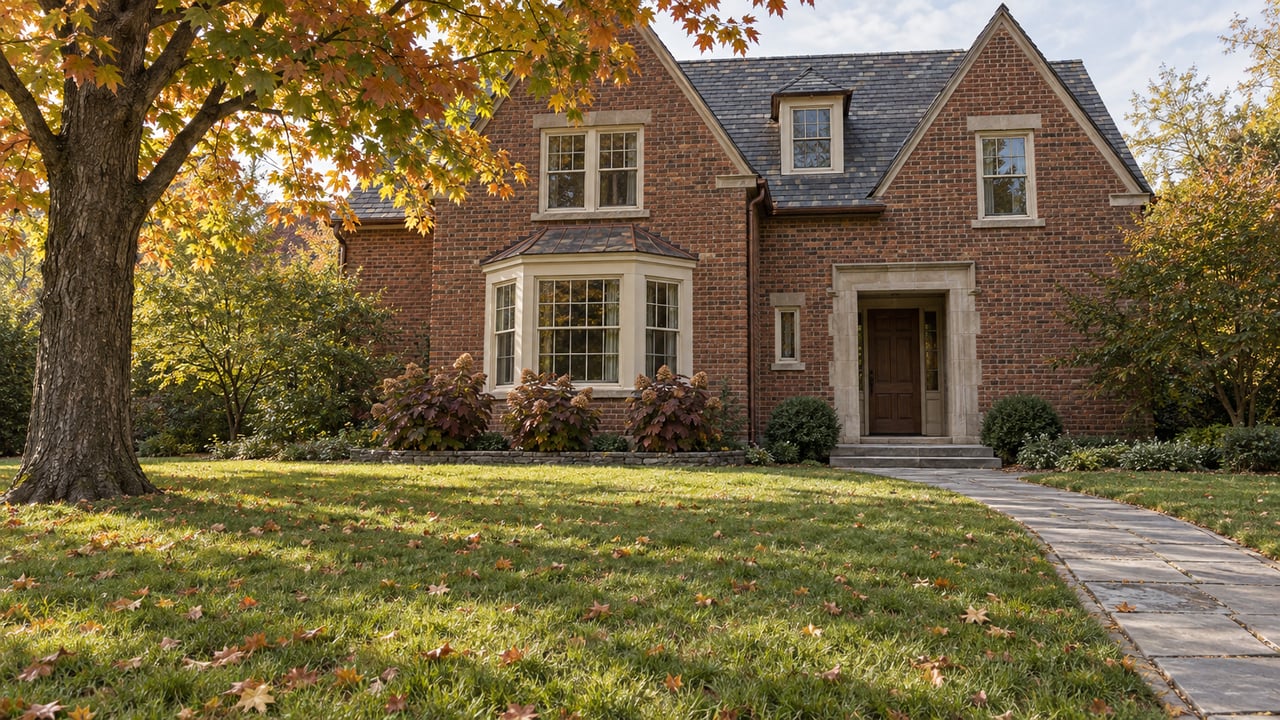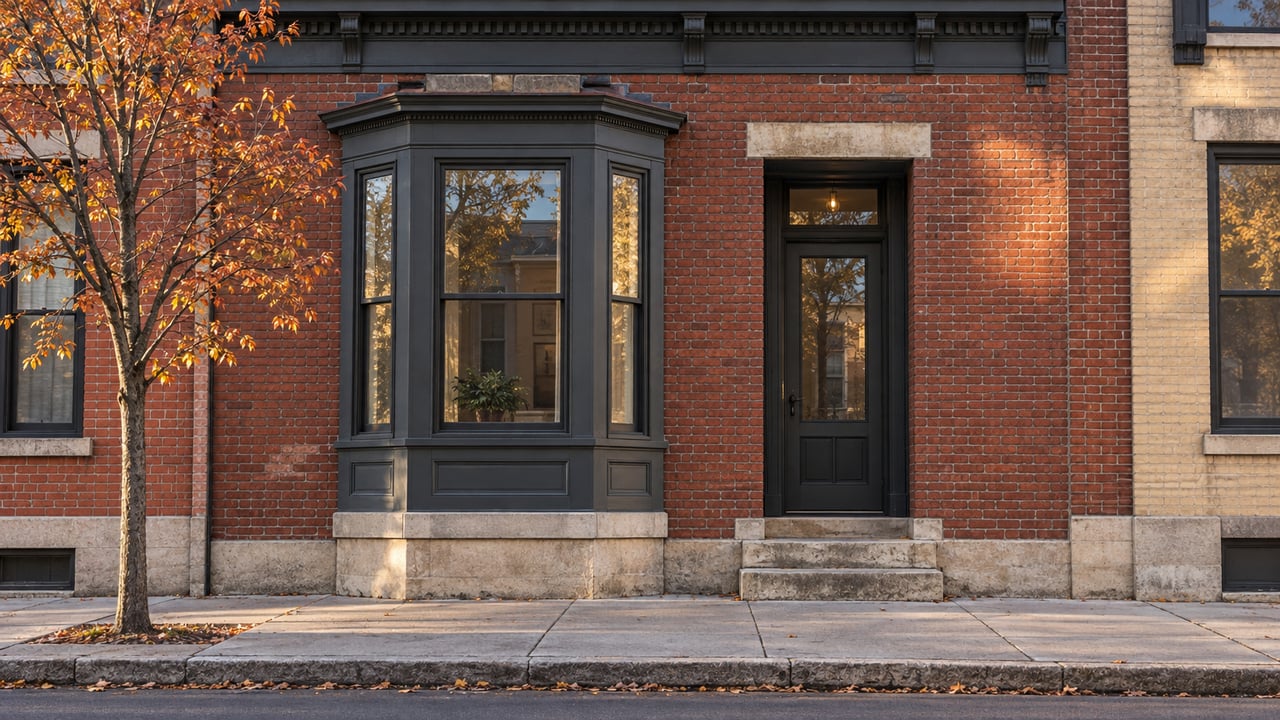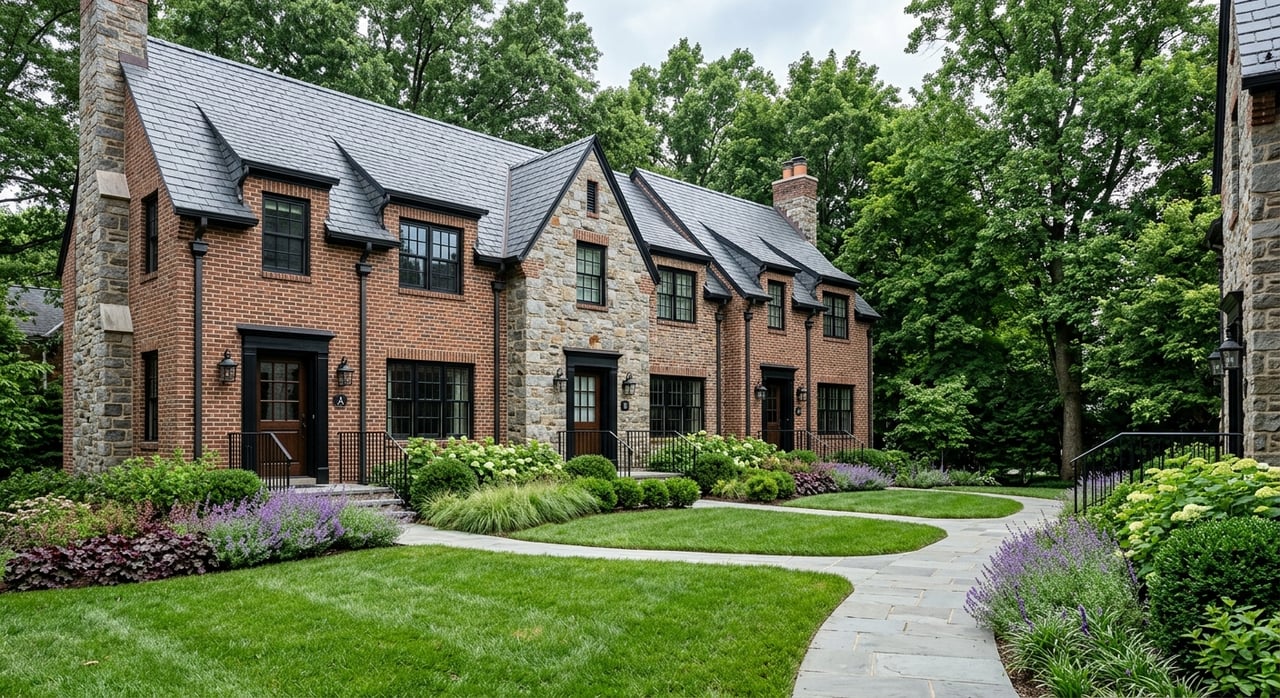
Dreaming about a low-maintenance home in one of Bucks County’s most distinctive river towns? In New Hope, condos and townhomes can offer walkable access to downtown, the riverfront, shops, and restaurants, but they also come with a very specific set of tradeoffs. If you are thinking about buying an attached home here, this guide will help you understand the market, compare condos and townhomes, and focus on the due diligence that matters most. Let’s dive in.
Why Buyers Look at Attached Homes in New Hope
New Hope Borough is a compact town on the Delaware River, about 1.25 square miles in size, located between New York City and Center City Philadelphia. The borough is known for its arts and culture, eclectic shops, historic inns and homes, riverfront setting, and restaurant scene. For many buyers, that mix creates strong appeal for an attached home that lets you spend less time on exterior upkeep and more time enjoying the town.
The lifestyle can be a big draw. If you want to be near downtown amenities in a pedestrian-friendly setting, a condo or townhome may fit the way you want to live. At the same time, New Hope’s popularity can mean more weekend traffic, busier streets, and a denser feel than you might find in less visited areas.
New Hope Inventory and Pricing
Attached homes in New Hope tend to be limited in supply. In a May 2026 Redfin snapshot, the median sale price for all New Hope homes was reported at $1.52 million, while six townhouses were listed for sale at a median listing price of $1.04 million. That same snapshot showed just one condo among recent New Hope listings.
For you as a buyer, that likely means two things. First, options may be tight, especially if you want a specific location near Main Street or the riverfront. Second, pricing can stay elevated when inventory is limited, so it helps to be clear on your must-haves before you start touring.
Condo vs. Townhome in Pennsylvania
A lot of buyers assume a condo and a townhome are easy to tell apart just by appearance. In practice, the legal structure matters more than the building style. In Pennsylvania, condominiums and planned communities follow separate statutory frameworks, and the recorded documents control many of your actual ownership rights and responsibilities.
That means a home that looks like a townhome may still come with rules and obligations that depend on the declaration, bylaws, and association structure. Before you focus too much on labels, you want to confirm what you are truly buying and what the governing documents say.
What the documents control
The resale package is a key part of your due diligence. For a condo resale in Pennsylvania, the seller must provide the declaration, bylaws, rules, and a certificate covering assessments, fees, capital projects, reserves, financial statements, budgets, insurance coverage, pending judgments or suits, and known violations or hazardous conditions. Planned-community resales have similar disclosure requirements.
Those documents help answer practical questions that buyers care about right away, including who handles exterior maintenance and what the monthly fees actually support. They also matter for timing. In both condominium and planned-community resales, the contract is voidable until the certificate is delivered and for five days afterward, or until conveyance, whichever comes first.
Why legal structure matters day to day
Your biggest surprise as a buyer often comes from maintenance responsibility. The governing documents determine which parts of the property are your responsibility and which are common elements or common facilities. That is why you should verify items like the roof, siding, windows, decks, patios, landscaping, and snow removal in writing rather than relying on how the property looks from the street.
If you are considering newer construction or a developer sale, timing can differ as well. Pennsylvania provides a cancellation window after a buyer receives the public offering statement: 15 days for a condominium sale and seven days for a planned-community sale. That issue is less common in resale transactions, but it still matters if the attached home is newly built or newly converted.
New Hope Tradeoffs to Weigh
New Hope offers a lifestyle that is hard to duplicate. You get a scenic cross-river setting, a walkable downtown, and easy access to local attractions tied to the river and canal. For buyers who want a home that feels connected to town life, that can be a major advantage.
Still, it helps to walk in with realistic expectations. Attached-home living in New Hope is not just about lower maintenance. It is also about understanding the local conditions that can shape your daily experience and long-term ownership costs.
Parking deserves extra attention
Parking is one of the biggest practical issues in New Hope. The borough says parking includes on-street spaces, public lots, and private lots, with pay-by-plate kiosks and ParkMobile, plus resident or lot permits available through the borough system. The borough’s comprehensive plan also notes that downtown areas may rely less on on-site parking because of nearby public options.
That makes parking details especially important when you are comparing condos and townhomes near Main Street or the riverfront. Ask exactly how many spaces come with the property, whether guest parking exists, and whether permit parking is part of the daily routine. If parking convenience matters to you, get every detail in writing.
Historic district rules may affect updates
If the property is in New Hope’s historic district, exterior changes may require review. The borough’s Historic Architectural Review Board reviews exterior work visible from a public street or way, and Certificates of Appropriateness are required to erect, reconstruct, alter, restore, demolish, or raze buildings or structures within the district.
Interior alterations are exempt from HARB review, although permits may still be required. For you, the practical question is simple: if you plan to change windows, doors, railings, fencing, lighting, or other visible exterior features, ask whether the home is in the historic district before you close.
Flood status should be verified by address
Flood risk is another major local consideration, especially near the Delaware River or canal. FEMA mapping for New Hope identifies special flood hazard areas, including AE and VE zones, and the borough’s comprehensive plan notes floodplain areas along the Delaware River and Aquetong Creek that are regulated through a Floodplain Overlay District.
If you are looking at a riverfront or low-lying property, do not rely on general assumptions. Verify the flood status for the exact address and ask how insurance, lower-level space, and mechanical systems are handled. This is one of the most important parts of attached-home due diligence in New Hope.
A Simple Buyer Checklist
When you are comparing New Hope condos and townhomes, keep your process focused on the issues that affect ownership the most.
Ask for the resale package early
Request the full set of governing and financial documents as early as possible. That should include:
- Declaration
- Bylaws
- Rules and regulations
- Current budget
- Reserve information
- Recent financial statements
- Insurance summary
- Any pending litigation or judgments
These materials can tell you a lot about the health of the association and whether future costs may be coming.
Confirm monthly and future costs
Do not stop at the current monthly assessment. Also ask about:
- Any special assessments
- Proposed capital projects
- Reserve balances
- Expected repairs in the next one to three years
Pennsylvania resale disclosures specifically cover proposed capital expenditures and reserve balances, so this is a key area to review carefully.
Verify maintenance responsibilities
One of the most important questions is who pays for and manages major exterior items. Ask specifically about:
- Roof
- Siding
- Windows
- Decks and patios
- Snow removal
- Landscaping
- Exterior repairs
This is where the condo-versus-townhome label can be misleading. The recorded documents, not the appearance, determine the answer.
Check parking rules in writing
Because New Hope parking can be more complicated than buyers expect, ask for written confirmation of:
- Assigned spaces
- Guest parking
- Overflow parking
- Resident permits
- Rules for motorcycles, trailers, or oversized vehicles
This can make a major difference in day-to-day convenience, especially in the busiest parts of town.
Review location-specific issues
If the home is near the river or canal, confirm the exact flood zone. If it is in the historic district, ask about exterior approval requirements. These location-based details can affect both your costs and your future plans for the property.
What This Means for Your Search
In New Hope, buying a condo or townhome is often less about finding a cheaper alternative and more about finding the right lifestyle fit. You may be trading yard work for walkability, private space for convenience, or a quieter setting for easy access to the town’s shops, restaurants, and riverfront character.
That is why a smart search starts with clarity. If you know your priorities around parking, exterior maintenance, flood exposure, and location, you can narrow your options faster and avoid surprises later. In a market with limited attached-home inventory, that kind of preparation matters.
If you are weighing condos or townhomes in New Hope and want a buyer strategy built around local nuance, pricing, and practical due diligence, Maria Petrogiannis can help you move forward with clarity and confidence.
FAQs
What makes condos and townhomes appealing in New Hope?
- Condos and townhomes can appeal to buyers who want lower-maintenance living with walkable access to New Hope’s downtown amenities, restaurants, shops, and riverfront setting.
What is the difference between a condo and a townhome in Pennsylvania?
- In Pennsylvania, the legal structure and governing documents matter more than the building style, because the declaration, bylaws, and recorded community documents define ownership rights, fees, and maintenance responsibilities.
What should buyers review in a New Hope condo or townhome resale package?
- Buyers should review the declaration, bylaws, rules, assessments, reserve information, financial statements, insurance summary, planned capital projects, and any pending litigation or judgments.
Why is parking important when buying in New Hope?
- Parking is important because New Hope relies on a mix of on-street, public, and private parking, and properties near downtown may have rules around assigned spaces, guest parking, and permits.
How does the historic district affect a New Hope townhome or condo purchase?
- If a property is in the historic district, certain exterior changes visible from a public street or way may require review by the Historic Architectural Review Board and a Certificate of Appropriateness.
Why should buyers verify flood status for a New Hope attached home?
- Buyers should verify flood status because parts of New Hope include mapped flood hazard areas near the Delaware River and Aquetong Creek, which can affect insurance, lower-level use, and ownership planning.
Is attached-home inventory limited in New Hope?
- Yes. A May 2026 market snapshot showed limited attached-home supply, including six townhouses for sale and just one condo among recent listings, which suggests buyers may face tight inventory.