Thinking about trading a high-rise or rowhome for leafy streets and a vibrant college town? If you are moving from New York City or Philadelphia, Princeton delivers small-town feel with big-city access. In this guide, you will see what your budget buys, how commuting really works, the housing styles you will find, and the key costs to plan for. Let’s dive in.
Why Princeton appeals to city movers
Princeton sits almost midway between New York and Philadelphia, which makes it a natural hub for dual-city households and hybrid workers. You are also close to major airports, with Newark Liberty about 39 miles and Philadelphia International about 52 miles away, plus regional service at Trenton–Mercer. You can preview travel context and visitor basics on the local guide at Experience Princeton.
Local numbers signal an affluent market and strong amenities. The U.S. Census lists median household income near $192,079 and a population around 31,445. You will find a walkable downtown, university events, and year-round cultural programming that punch above the town’s size. For a quick data snapshot, see Census QuickFacts for Princeton.
What your budget buys
Princeton’s market spans historic homes near town and newer options in nearby townships. Inventory is tighter than in big metros, so well-priced homes can draw competition. Use these high-level ranges to set expectations.
- Under ~$500k: Primarily condos, apartments, or small townhomes. Single-family homes at this price are rare in Princeton proper and more common farther out. Expect 1 to 2 bedrooms or older condo buildings.
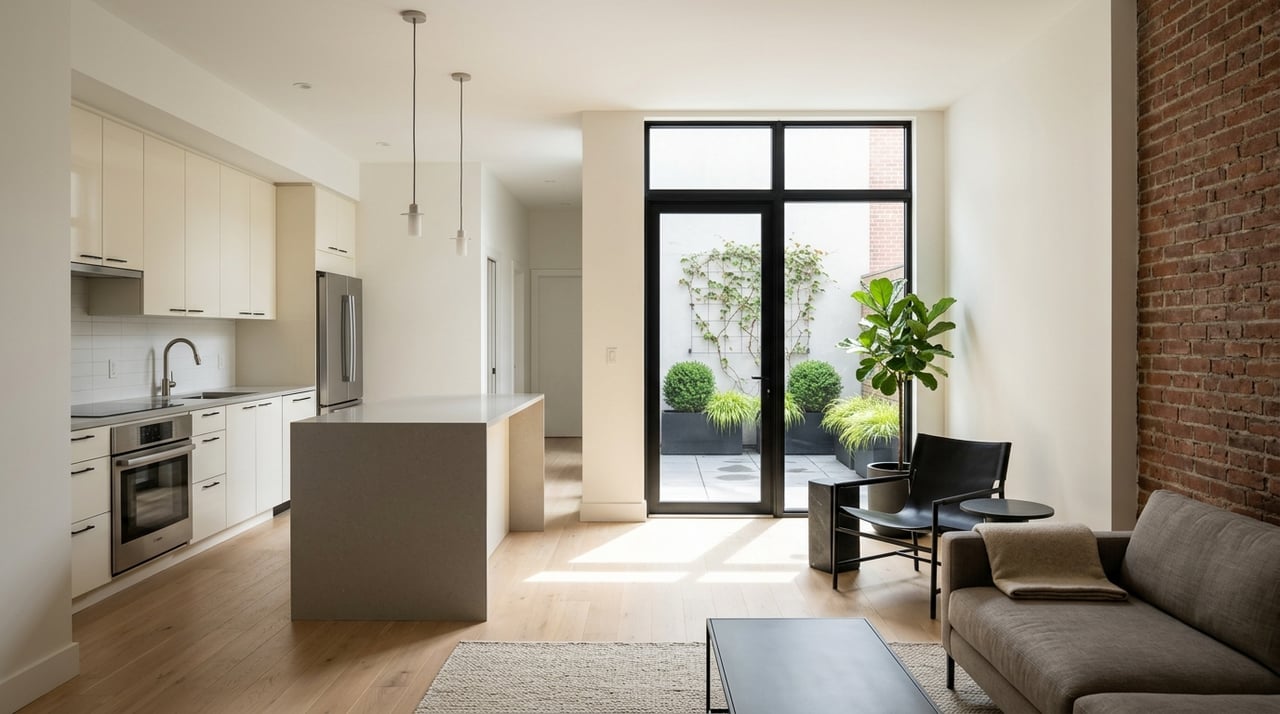
- ~$500k–$900k: Townhomes and 2 to 3 bedroom condos are common, with some modest single-family options in outer neighborhoods and nearby towns like Plainsboro or parts of West Windsor.
- ~$900k–$1.5M: Many Princeton single-family homes trade in this band. You will see renovated older homes and some newer construction depending on location.
- $1.5M+: Larger lots, architecturally significant homes, and prime locations near the town center and established neighborhoods. Supply is smaller but active.
Recent benchmarks provide context: average home values around the high $900s and a median sale price near the low $1Ms put many buyers in the $900k to $1.5M range. Asking rents average near the low $3,000s per month, with downtown units often higher.
Downtown vs nearby townships
- Downtown Princeton, especially around Palmer Square, Nassau Street, and Witherspoon Street, rewards you with walkability to shops, dining, and the University. You will trade lot size and private parking for convenience and character. Explore downtown highlights via Experience Princeton.
- Surrounding townships such as Plainsboro, West Windsor, Montgomery, and Lawrence often offer larger lots and newer subdivisions at lower per-square-foot prices than the historic core. Many buyers balance commute, space, and price by considering these nearby areas.
Housing styles you will see
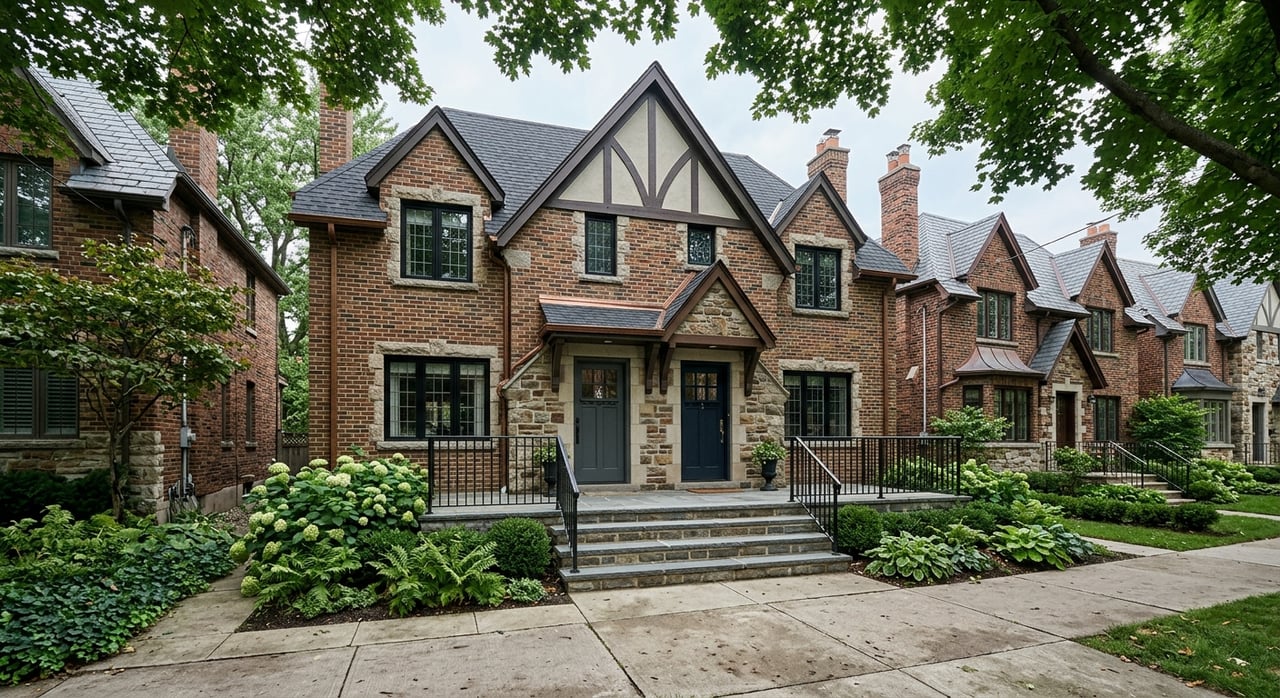
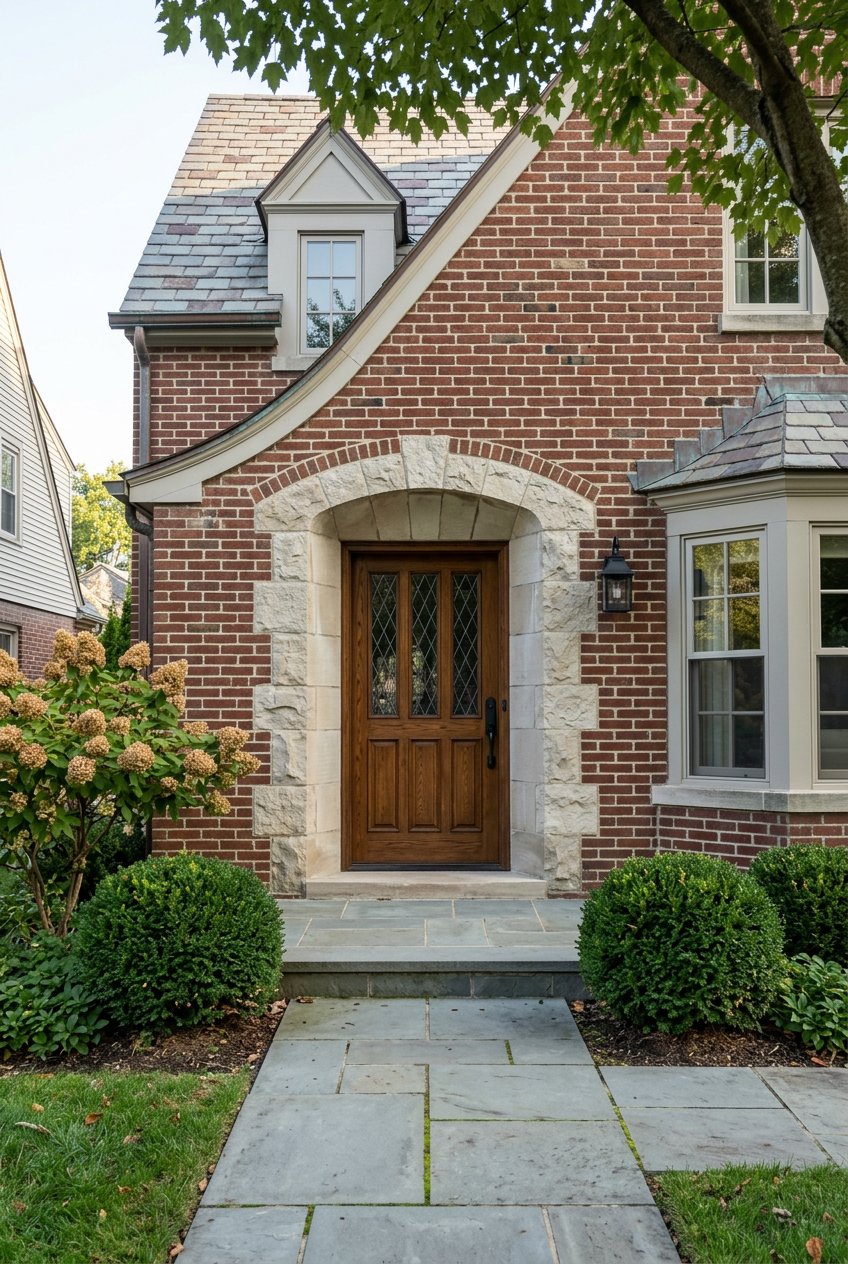
Princeton’s architecture is part of the draw. Close to town you will find Georgian, Colonial, and Federal-era homes, with notable landmarks like Morven that anchor the historic fabric. For a taste of local history and style, see the entry on Morven in Princeton.
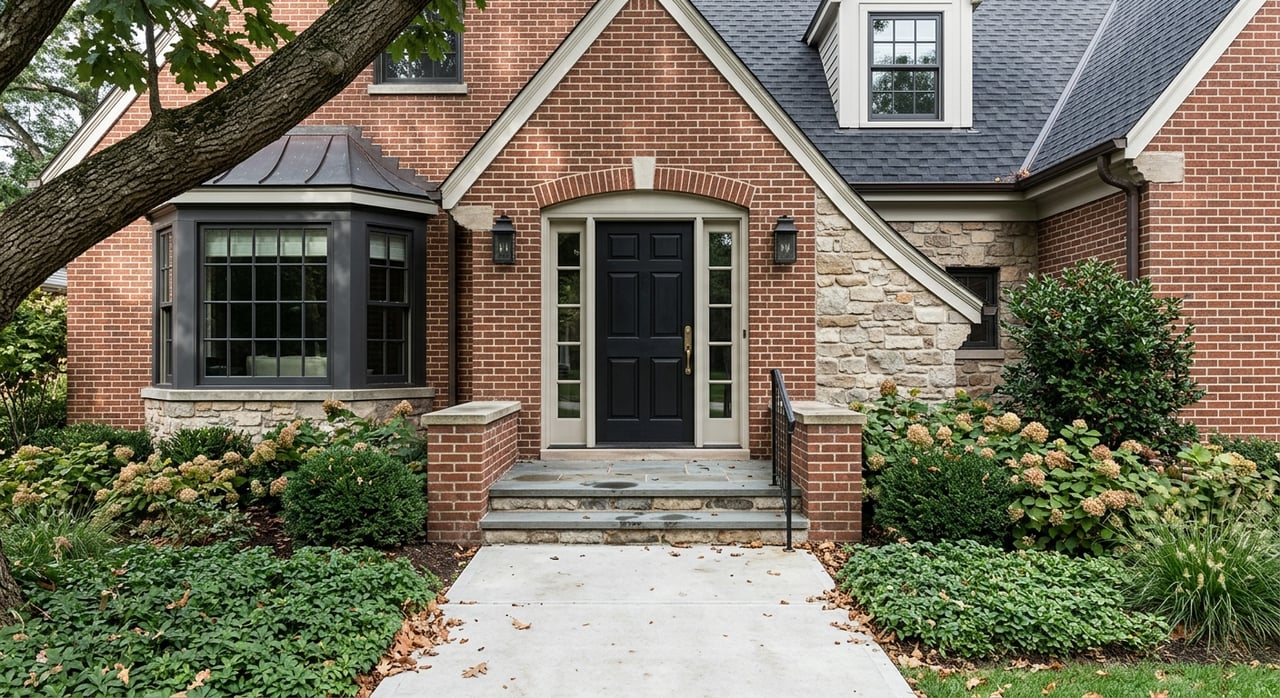
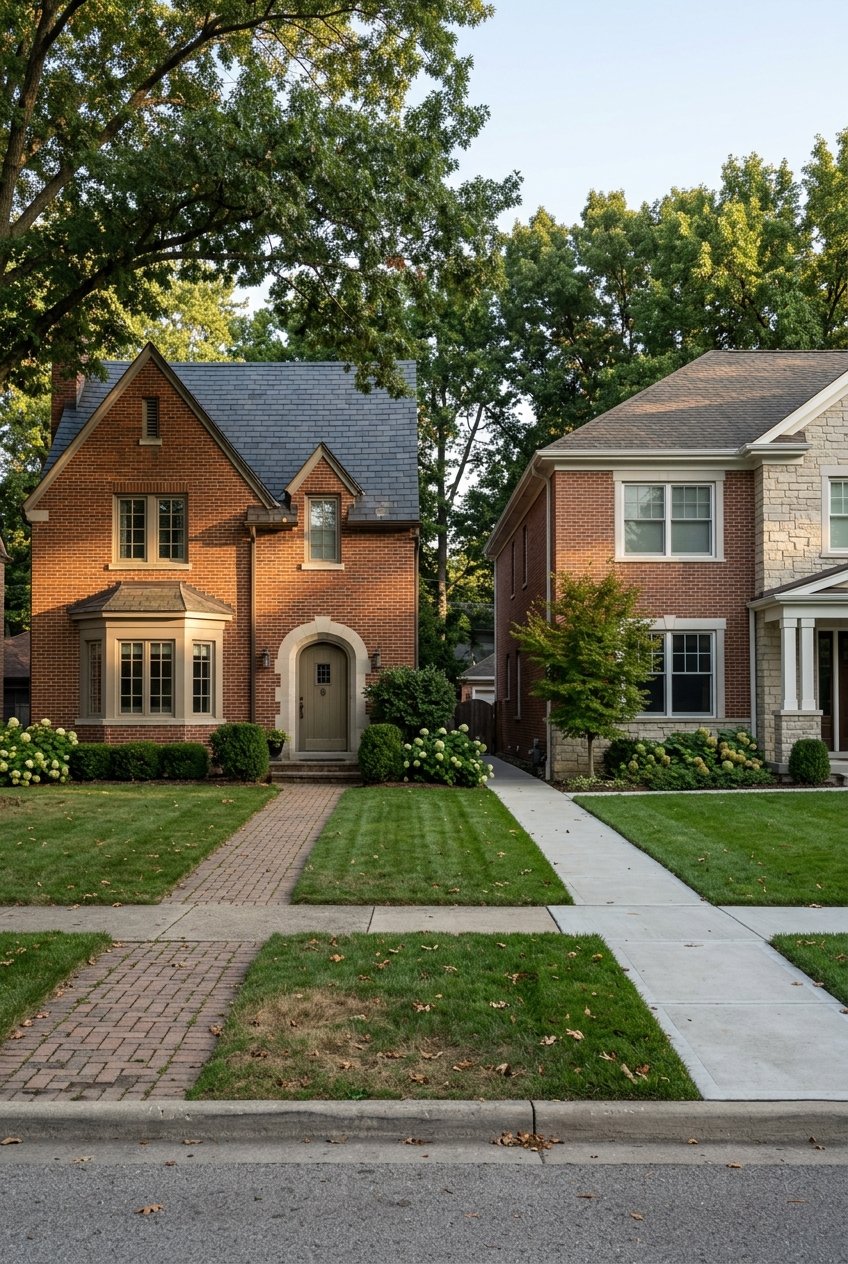
You will also see Victorian and Tudor Revival homes, plus post-war ranch and split-level houses in outer neighborhoods, along with modern infill and condo conversions. Older homes can carry unique maintenance needs and possible exterior guidelines if located in historic overlays. Plan for a thorough inspection and contractors familiar with older construction.
Commute realities and options
City movers often prioritize a reliable rail commute and flexibility for hybrid schedules. Princeton delivers both, but timing matters.
To New York City by rail
The short Princeton Branch shuttle, known as the Dinky, connects downtown Princeton to Princeton Junction in about 5 minutes. It runs daily and is timed to meet Northeast Corridor trains. You can confirm service details on the NJ Transit Dinky page.
From Princeton Junction to New York Penn Station, typical rail times range from about 50 to 75 minutes depending on express or local patterns and time of day. A practical rule is to plan around 1 hour 10 minutes on average. For sample trip durations, review Rome2rio’s summary for Princeton Junction to New York Penn. Schedules change, so always check your exact train.
To Philadelphia
Many commuters drive, usually about 1 to 1.5 hours depending on traffic. Public transit is possible via a timed connection at Trenton, using NJ Transit to Trenton and SEPTA Regional Rail to 30th Street. For a planning reference, see Princeton’s Travel options overview. Test your route at your intended commute time.
Buses, shuttles, and parking
The area is served by NJ Transit buses and private carriers, plus university-linked local shuttles that add neighborhood connectivity. If you plan to park at Princeton Junction, review permits and daily rates on the NJ Transit Princeton Junction station page. Spots and rules vary by lot.
Airports and access
For frequent flyers, Newark Liberty and Philadelphia International are your primary gateways, with regional flights at Trenton–Mercer. Travel times depend heavily on time of day and route. You can preview local travel context at Experience Princeton.
Costs to factor in beyond the price
Monthly affordability looks different from city renting. In New Jersey, property taxes are a significant line item, so build them into your monthly total alongside mortgage, insurance, utilities, and any HOA or condo fees. For state context, review the Tax Foundation’s tax competitiveness index.
Quick cost checklist:
- Mortgage principal and interest
- Property taxes and homeowners insurance
- Utilities and internet
- HOA or condo fees if applicable
- Maintenance and reserves, especially for older homes
- Commuting costs, parking, and transit passes
Schools and services
Princeton Public Schools is a relatively small PreK–12 district with six schools. Families should verify current attendance boundaries and confirm assignments for specific addresses, since boundaries can change. For a concise overview, see Princeton Public Schools.
Healthcare access is strong for a town of this size. Penn Medicine Princeton Medical Center in nearby Plainsboro serves the region, and the University’s presence supports a broad range of local programs and services. You can read more within the Princeton, New Jersey overview.
Moving strategy for NYC and Philly buyers
Use a simple plan to cut stress and speed decisions.
- Map budget to property type. Align your target price with likely property types in Princeton and nearby townships, not just with a single ZIP code.
- Test the commute twice. Ride the Dinky plus Northeast Corridor during peak and off-peak, and drive to Philadelphia at rush hour to compare time and parking costs.
- Decide on downtown vs space. Downtown gives walkability and character. Outlying areas offer larger lots and newer builds at lower per-square-foot cost.
- Verify taxes and fees. Compare monthly totals for 2 to 3 finalist homes, including taxes, utilities, and any HOA or condo fees.
- Prepare for low inventory. Have pre-approval ready and a clear list of must-haves so you can move quickly on the right home.
- Plan inspections carefully. If you pursue a historic or older home, schedule specialized inspections and gather quotes for near-term maintenance.
- Understand parking and permits. If you plan to park at the Junction, confirm current rules and availability on the Princeton Junction station page.
Nearby towns to consider
- Plainsboro: Newer subdivisions and townhome communities, often with more attainable prices than the historic core of Princeton.
- West Windsor: Larger lots and a suburban feel with proximity to Princeton Junction rail service.
- Montgomery and Lawrence: Mix of established neighborhoods and newer homes, with a variety of price points and settings.
Ready to compare neighborhoods and schedule a test commute weekend? Let’s create a plan that fits your timing, budget, and lifestyle. If you want a steady, hospitality-first approach across the Philadelphia–Princeton corridor, connect with Maria Petrogiannis to get started.
FAQs
How long is the NYC commute from Princeton?
- From Princeton Junction to New York Penn Station, plan for about 50 to 75 minutes by NJ Transit, with the Dinky taking about 5 minutes between Princeton and the Junction; always confirm current schedules on the Dinky page and review sample durations on Rome2rio.
Is the Princeton market competitive right now?
- Inventory is more limited than in larger metros, so well-priced homes can draw multiple offers, especially downtown and in popular neighborhoods.
What are typical home values and rents?
- Recent snapshots place average home values near the high $900s with median sale prices around the low $1Ms, and asking rents near the low $3,000s per month, with downtown units often higher.
Are there walkable areas in Princeton?
- Yes, the downtown core around Palmer Square, Nassau Street, and Witherspoon Street is walkable to shops, dining, and culture; see highlights on Experience Princeton.
What home styles will I find?
- You will see historic Georgian and Colonial homes, Victorian and Tudor Revival, post-war ranch and split-level houses, and modern infill or condo conversions; preview history via Morven’s overview.
How do I commute to Philadelphia from Princeton?
- Most drive about 1 to 1.5 hours depending on traffic, or take NJ Transit to Trenton and transfer to SEPTA for 30th Street Station; plan with this travel options reference and a real-time test commute.
What should I budget beyond the purchase price?
- Include New Jersey property taxes, homeowners insurance, utilities, and any HOA or condo fees, plus commuting and parking costs; see state context from the Tax Foundation.
How are public schools organized in Princeton?
- Princeton Public Schools is a small PreK–12 district with six schools; verify attendance boundaries for specific addresses using the district’s public resources and the Princeton Public Schools summary.
Which airports are most convenient?
- Newark Liberty and Philadelphia International are the main gateways, with regional flights at Trenton–Mercer; local travel context is summarized on Experience Princeton.