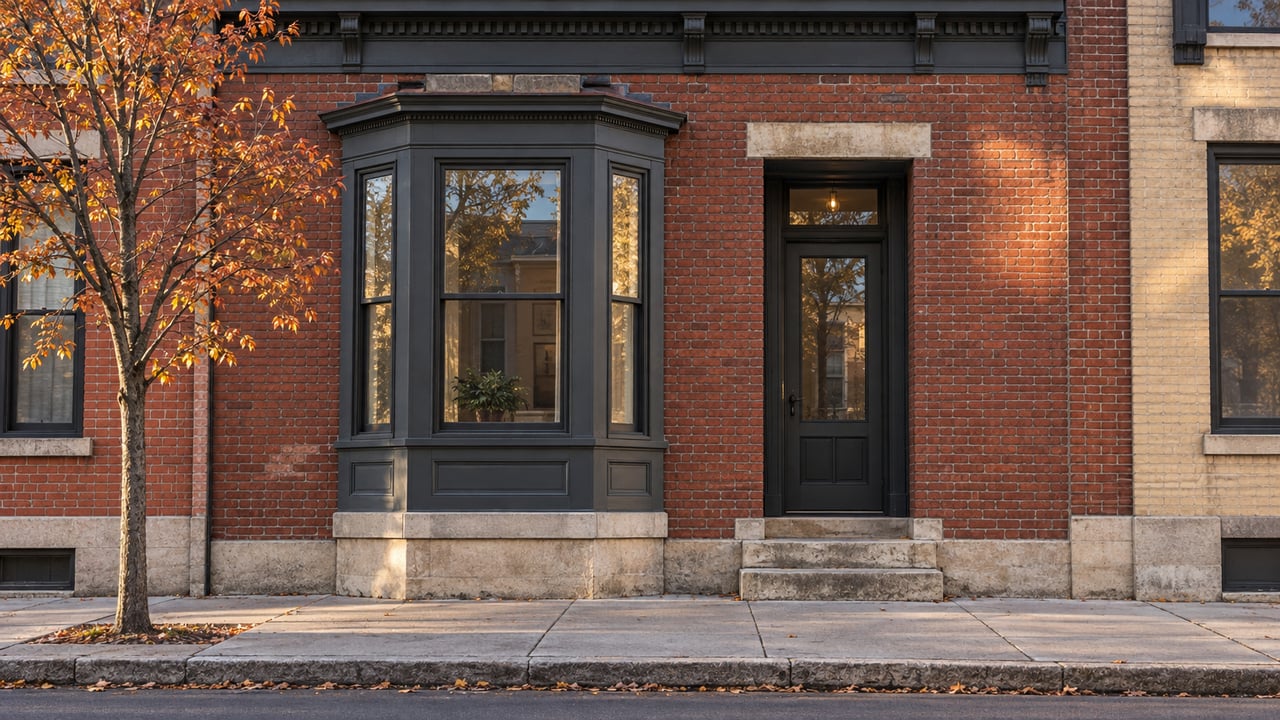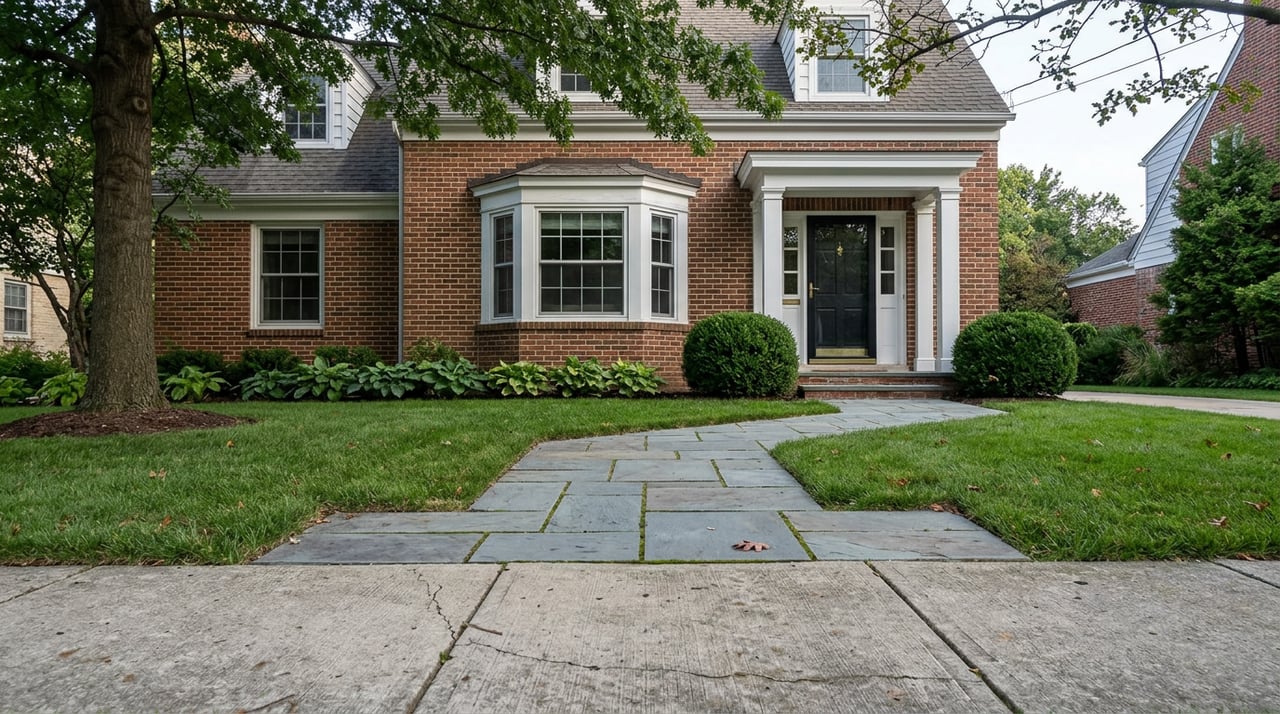
If you're selling a home in Moorestown, which certificate do you think will actually hold up your closing? The one that checks your smoke detectors, or the one that checks your sidewalk?
Most sellers have heard of the first one. New Jersey requires a smoke detector, carbon monoxide alarm, and fire extinguisher compliance certificate before any residential sale closes anywhere in the state, and Moorestown Fire Prevention handles that inspection like every other municipality's fire office does. What catches people off guard is the second certificate: a separate, Moorestown-specific document that has nothing to do with what's inside the house and everything to do with what's underneath it, in front of it, and next to it.
Two Certificates, Two Very Different Jobs
New Jersey does not require a resale certificate of occupancy statewide. That decision is left to each municipality, and towns handle it differently from one another. Moorestown is one of the towns that does require it, through what the township code calls a Certificate for Change in Occupancy/Ownership, governed by Chapter 53 of the municipal code and most recently amended by Ordinance No. 5-2022.
The two certificates run on separate tracks, issued by separate departments, checking separate things.
| Smoke/CO/Fire Extinguisher Certificate | Certificate for Change in Occupancy/Ownership | |
|---|---|---|
| Issued by | Moorestown Fire Prevention | Township Public Works and Community Development |
| Applies to | Every residential sale in New Jersey | Every residential and commercial sale in Moorestown Township |
| Checks | Smoke alarms, CO alarms, fire extinguisher placement | Sewer connections, water meter, sidewalks, open permits, encroachment onto township land |
| Typical fee | Set by fire prevention bureau | $75 for most homes, $50 for second-floor condos |
| Certificate valid for | Until closing (no fixed expiration in state code) | 60 days from issuance |
A seller who only budgets time for the fire inspection is budgeting for half the paperwork.
What the Township Is Actually Checking
Chapter 53 lays out five standards a property has to meet before Public Works will sign off, and none of them are about paint, countertops, or curb appeal.
The sanitary sewer connection has to be clean. If an inspector finds a sump pump, roof drain, or other drainage device tied into the sanitary sewer system, it has to be permanently disconnected before the certificate is issued. The township treats this as a public infrastructure issue tied to its own pollution discharge permit, not a cosmetic one.
The water meter has to work. The ordinance requires that it functions properly and accurately records usage, since an inaccurate meter becomes the next owner's billing problem the moment the deed changes hands.
The sidewalk in front of the house has to be free of trip hazards. This is the one that surprises people most, because a homeowner can maintain a spotless interior for years and still fail this part of the process over a heaved slab of concrete they've walked past every day without noticing.
Any open construction permits have to be closed out. If a prior owner pulled a permit for a deck, a finished basement, or a heating system replacement and never scheduled the final inspection, that gap surfaces now, at the worst possible time to discover it.
And if the property sits next to land the township owns, a survey has to confirm nothing has crept over the line. More on that below, because it's the piece most listing sheets never mention.
The Sidewalk Clause Has Its Own Clock
Here's where the ordinance gets specific in a way that suggests someone in Moorestown has dealt with this exact problem before. If an inspection finds a sidewalk that needs repair or replacement, the seller can't always just make the fix and move on, especially if the closing is scheduled for December and the concrete crews are booked solid or the ground is too cold to pour.
The code allows for a temporary certificate in that situation, but it comes with conditions. The seller has to set aside an escrow amount, determined at the discretion of the Director of Public Works, to guarantee the work gets done after closing. That temporary certificate is only good for 90 days unless the township grants an extension. If the repair isn't finished within that window, Public Works can use the escrowed funds to do the work itself.
For anyone closing in Moorestown between now and the spring, this is worth asking about before the inspection happens, not after. A cracked sidewalk panel that would be a same-week fix in July can turn into an escrow negotiation in January.
The Survey You Might Not Know You Need
This is the part of Chapter 53 that generates the most confusion, because it doesn't apply to every seller, only to a specific subset: anyone whose property adjoins land the township owns.
Under the ordinance, those sellers have to provide a current survey, dated no more than 90 days before submission, showing the boundary between their property and the township's. A licensed surveyor flags the property corners, and those flags have to stay in place, undisturbed, until the day of closing. The township keeps a public list of addresses this applies to, and residents who believe their property was added in error, or left off when it shouldn't have been, can contact the Tax Collector's office directly to sort it out.
If the survey turns up an encroachment onto township land, a fence built a few feet too far, a shed that crosses the line, a township representative inspects the property to determine the extent of it, and the owner is responsible for removing the encroachment and restoring any damage that removal causes. The township's stated concern is straightforward: unaddressed encroachments can jeopardize state funding tied to that land, or open the door to adverse possession claims down the road.
If you've lived somewhere for fifteen years and never thought about where your property line meets the township's, this is the moment that question gets asked for you.
Running on a Different Clock Than Attorney Review
New Jersey is an attorney review state, which means after a contract is signed, both sides get three business days to have an attorney read it, request changes, or walk away with no penalty. Home inspections don't start until that window closes.
The township's Certificate for Change in Occupancy/Ownership doesn't wait for any of that. It's a Public Works process a seller has to initiate directly, by calling 856-235-3520 and selecting option 2, and it can run in parallel with attorney review and buyer inspections rather than after them. The catch is the 60-day validity window. Request the certificate too early, months before you've even listed, and it can expire before you get to the closing table, forcing a second round of inspections and a second fee.
Moorestown's older housing stock adds its own layer here. Homes that were originally heated by oil, common across the township's historic sections, often draw buyer requests for an oil tank sweep alongside the standard inspection, and sewer scopes turn up more often on properties with mature trees and decades-old lateral lines. None of that is part of Chapter 53 directly, but it's part of the same broader pattern: older Moorestown homes tend to generate more due diligence, on more fronts, than newer construction elsewhere in Burlington County.
What This Means If You're Selling This Fall
Call Public Works as soon as you have a realistic closing date in mind, not the day you list. Ask whether your address appears on the adjoining-property survey list before a buyer's attorney asks first. Budget the $75 fee alongside the fire prevention fee, not instead of it. And if your sidewalk has a lift or a crack you've been meaning to deal with, deal with it before the inspector arrives rather than after, especially heading into the months when concrete work slows down.
None of this replaces guidance from your closing attorney, who will coordinate the actual paperwork and timing against your specific contract. But knowing which certificate checks what, and which clock each one runs on, means fewer surprises between an accepted offer and a signed deed.
A Few Questions Worth Settling Upfront
Does every New Jersey town require a certificate like this? No. New Jersey has no statewide resale certificate of occupancy requirement. Each municipality decides for itself, and neighboring towns in Burlington and Camden counties don't all handle it the same way Moorestown does.
Is this the same as the smoke detector certificate? No. The smoke, carbon monoxide, and fire extinguisher certificate is a separate statewide requirement issued by the local fire prevention bureau. Moorestown requires both that certificate and its own Certificate for Change in Occupancy/Ownership.
What happens if my sidewalk needs work but the weather won't cooperate? The ordinance allows for a temporary certificate backed by an escrow deposit, valid for 90 days, so the sale can close while the repair is scheduled for better weather.
If you're weighing a sale in Moorestown and want to know how these requirements fit into your specific timeline, Maria Petrogiannis can walk through what your property will need before it goes to closing. Get your free home valuation to start the conversation.